

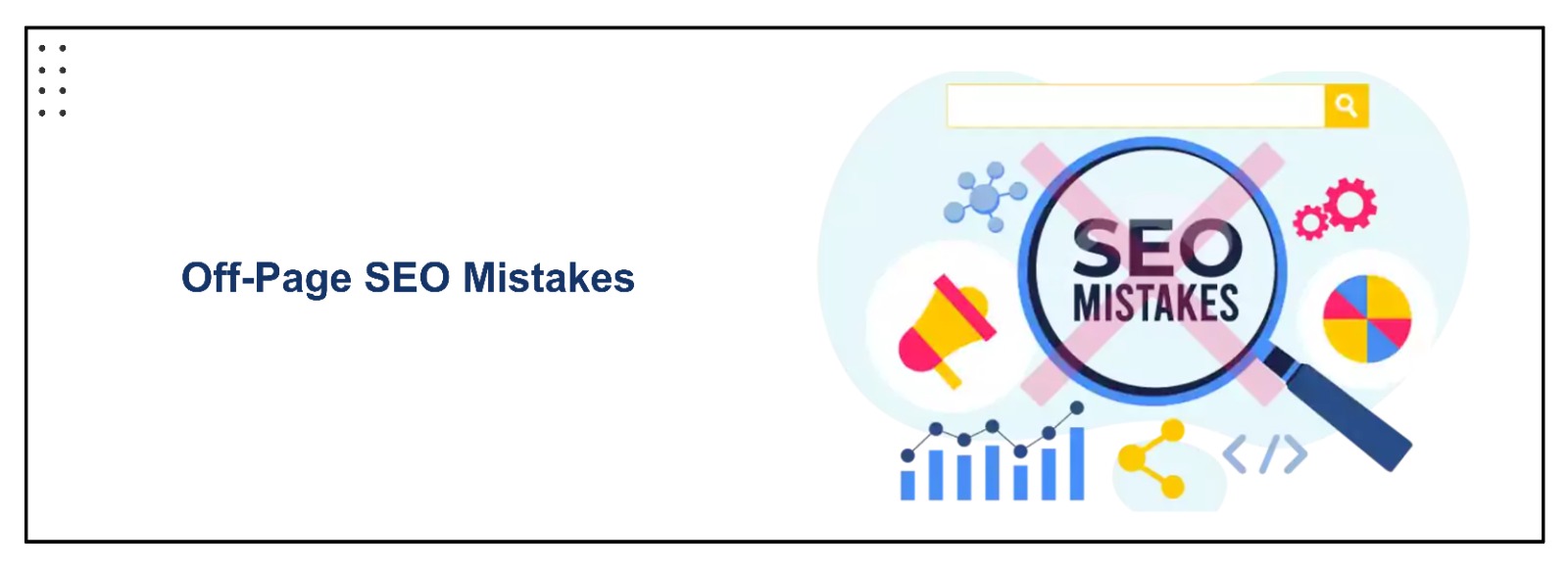
Off-page SEO plays a vital role in how Google evaluates a website’s authority, trust, and overall credibility. It includes activities beyond your website, such as building backlinks, managing online reviews, influencer collaborations, digital PR, brand mentions, and strategic partnerships. These external signals help search engines understand whether your website is relevant and trustworthy within its industry. Strong off-page SEO can significantly improve visibility and long-term ranking stability.
However, when businesses rely on manipulative or short-term tactics, off-page SEO can become harmful instead of helpful. Practices like buying backlinks, using irrelevant link sources, or ignoring transparency may lead to ranking drops and loss of trust. Sustainable SEO success depends on ethical strategies, relevance, and consistent monitoring.
Buying Backlinks Instead of Earning Them
Buying backlinks is one of the riskiest off-page SEO practices. While it may seem like a quick solution to improve rankings, it often creates long-term problems that outweigh any short-term benefits.
Why This Happens
Many businesses purchase backlinks because they want faster results. In competitive industries, there is constant pressure to increase domain authority and outrank competitors quickly. Paid link packages often promise “guaranteed rankings” and links from so-called “high DA” websites. These offers appear attractive because they seem affordable, easy, and timesaving compared to building authority organically. As a result, businesses may choose shortcuts instead of investing in long-term strategies.
How It Damages Rankings
Search engines use advanced algorithms to detect unnatural link patterns. When a website suddenly acquires numerous keyword-heavy backlinks from unrelated or low-quality sources, it signals artificial manipulation. In response, Google may ignore those links, lower keyword rankings, or even impose manual penalties. In serious cases, traffic can drop significantly, and recovery may take months. Sustainable SEO depends on earning backlinks naturally through valuable content, genuine industry relationships, and authentic outreach efforts rather than paid shortcuts.
Focusing on Quantity Instead of Quality
In off-page SEO, one of the most common mistakes is prioritizing the number of backlinks rather than their quality. Many businesses assume that increasing backlink count will automatically improve rankings, but search engines evaluate links much more carefully than simple volume.
The Common Misunderstanding
A widespread misconception is that the more backlinks a website has, the higher it will rank. As a result, businesses often collect links from online directories, blog comment sections, forum signatures, or unrelated websites without assessing their credibility. These links may increase numbers in reports, but they rarely contribute real authority or trust.
The Real Impact on SEO
Search engines prioritize relevance, authority, and authenticity over sheer volume. Low-quality or spammy backlinks dilute trust signals and weaken domain credibility. If a large portion of your backlinks comes from irrelevant or weak sources, Google may reduce the overall value of your link profile. Instead of boosting rankings, excessive low-quality links can cause stagnation, reduced visibility, or even ranking decline over time.
Over-Optimized Anchor Text
Anchor text is the clickable text in a hyperlink that tells both users and search engines what the linked page is about. While anchor text helps improve keyword relevance, problems arise when it is used excessively or unnaturally for ranking purposes.
What Over-Optimization Means
Over-optimization happens when businesses repeatedly use the same exact-match commercial keywords in their backlinks. For example, if dozens of websites link to a page using the identical phrase like “best digital marketing agency in Delhi,” it creates an unnatural pattern. Instead of appearing organic, the link profile looks manipulated and strategically engineered only for ranking benefits.
Ranking Consequences
Search engines expect a natural variety of anchor texts, including brand names, website URLs, generic phrases like “click here,” and contextual variations. When exact-match keywords dominate the backlink profile, it signals artificial link building. This may result in keyword suppression, reduced visibility for targeted terms, and lower ranking stability. A balanced and diversified anchor text strategy supports long-term SEO health and protects against algorithmic penalties.
Using Private Blog Networks (PBNs)
Private Blog Networks (PBNs) are groups of websites created mainly to generate backlinks for a target website. These sites are often built on expired domains with existing authority and are used to artificially boost rankings. While they may offer quick results, they carry significant risks.
Why Businesses Use PBNs
Businesses are often attracted to PBNs because they promise faster ranking improvements. Since the network is controlled by the same owner, there is full control over anchor text, link placement, and keyword targeting. Compared to genuine public relations or outreach campaigns, PBNs appear cheaper and easier. This makes them appealing for businesses looking for short-term gains.
Risks and Long-Term Damage
Search engines constantly improve their systems to detect artificial link networks. When a PBN is identified, all related backlinks may be devalued immediately. This can cause sudden ranking drops and loss of domain trust. In serious cases, websites may be partially or fully removed from search results. Relying on artificial networks instead of earning real authority is a high-risk strategy that can harm long-term SEO performance.
Ignoring Link Relevance
Link relevance is one of the most important factors in off-page SEO. Search engines do not just count backlinks they evaluate where those links come from and how closely they relate to your industry, services, or content. A backlink from a website within your niche sends a strong signal that your content is valuable and authoritative in that specific field.
The Importance of Context
Context matters because search engines assess topical alignment to measure expertise. For example, if a financial advisory firm receives a backlink from a reputable finance publication, it strengthens credibility. Relevant links reinforce your website’s authority in a particular subject area and improve ranking potential for industry-specific keywords.
Effects of Irrelevant Links
When a legal consultancy gains backlinks from food blogs or fashion websites, it creates confusion in topical authority. These unrelated links dilute trust signals and weaken relevance. Over time, an inconsistent backlink profile can reduce ranking strength and limit your ability to compete effectively in your core niche.
Fake Reviews and Review Manipulation
Online reviews play a major role in shaping customer decisions and influencing local search rankings. Because ratings directly impact trust and visibility, some businesses are tempted to post fake positive reviews or suppress genuine negative feedback to quickly improve their image.
The Temptation to Manipulate Reviews
High ratings attract more customers, which is why businesses may try to artificially boost their review score. This can involve creating fake accounts, paying for positive reviews, or pressuring customers to leave only favourable feedback. While this may seem like a quick fix to improve reputation, it creates serious long-term risks.
SEO and Reputation Impact
Search engines and review platforms use advanced systems to detect unnatural review activity. If manipulation is identified, businesses may face profile suspension, removal of reviews, or a decline in local search rankings. More importantly, once customers discover fake reviews, brand trust collapses. Sustainable growth depends on encouraging honest feedback, responding professionally to criticism, and maintaining transparency.
Undisclosed Influencer Collaborations
Influencer marketing is a powerful off-page SEO strategy because it increases brand visibility, generates backlinks, and builds social signals. However, problems arise when brands fail to clearly disclose paid partnerships. Presenting sponsored content as organic recommendations can mislead audiences and weaken trust.
The Common Oversight
Many businesses collaborate with influencers to promote products or services but do not properly label the content as sponsored. Sometimes this happens due to lack of awareness, while in other cases brands intentionally avoid disclosure to make promotions appear more authentic. However, when audiences discover that content was paid for but not disclosed, it damages credibility.
Impact on Rankings and Trust
Transparency is essential for both search engines and consumers. Lack of disclosure reduces consumer confidence and may lead to negative feedback or reputational damage. Ethical influencer marketing, with clear labels such as “Sponsored” or “Ad,” builds long-term authority. Transparent collaborations strengthen brand trust, improve engagement quality, and support sustainable digital growth.
Spammy Outreach Practices
Outreach is an important part of off-page SEO, but when handled poorly, it can damage both rankings and reputation. Many businesses focus on sending large volumes of emails instead of building meaningful connections, which often results in ineffective link-building efforts.
Mass Outreach Errors
Sending automated, generic emails to hundreds of websites is a common mistake. Using scraped email lists and impersonal templates makes outreach look spammy and unprofessional. This usually leads to low response rates, ignored emails, and even spam complaints that can harm your domain’s email reputation.
Long-Term Consequences
Spam outreach damages brand credibility and reduces future collaboration opportunities. Poor email practices can also affect deliverability, causing legitimate emails to land in spam folders. Effective outreach should focus on personalization, relevance, and relationship building rather than aggressive link requests.
SEO and Competitor Targeting
Some businesses attempt to harm competitors instead of improving their own strategies. These unethical SEO attacks involve deliberately using manipulative tactics to damage another website’s rankings or online reputation rather than competing fairly in the market.
What These Unethical Practices Involve
Such practices may include creating spammy backlinks pointing to a competitor’s website to trigger search engine penalties, spreading false or misleading information online, filing fake complaints, or publishing defamatory content. The intention is to weaken a competitor’s credibility and search visibility through artificial means instead of organic competition.
Why These Practices Are Risky
These tactics can seriously backfire. Search engines are capable of identifying suspicious patterns, and involvement in such activities can damage your own brand reputation. Additionally, spreading false information may lead to legal consequences such as defamation claims or injunctions. Ethical competition focused on quality content, genuine authority, and transparent marketing always leads to stronger, sustainable long-term growth, while manipulative strategies create significant reputational and legal risks.
Ignoring Algorithm Updates
Search engine algorithms are constantly evolving. Google frequently updates its ranking systems to improve user experience, reduce spam, and reward high-quality content. These updates may target link spam, low-quality backlinks, over-optimized anchor text, or manipulative off-page practices. When businesses ignore these changes and continue outdated SEO tactics, they risk sudden ranking drops, traffic loss, and reduced domain authority. Often, website owners are unaware that an algorithm update is the reason behind declining performance.
The Dynamic Nature of SEO
SEO is not static. What worked two or three years ago may now be considered spam or low-quality practice. Google’s systems continuously assess link patterns, content quality, and user signals. Therefore, businesses must stay informed about major updates and industry trends. Ignoring algorithm changes means falling behind competitors who adapt faster and follow updated best practices.
Importance of Continuous Monitoring
Regular backlink audits, toxic link removal, performance tracking, and compliance reviews are essential for maintaining stable rankings. SEO requires ongoing strategy adjustments based on analytics, algorithm updates, and competitor activity. Continuous monitoring helps detect problems early and ensures that off-page efforts remain aligned with search engine guidelines.
Conclusion
Off-page SEO mistakes such as buying backlinks, excessive keyword anchor optimization, using private blog networks (PBNs), manipulating online reviews, ignoring link relevance, and engaging in spam outreach can seriously damage your Google rankings. Although these shortcuts may deliver temporary improvements in visibility or traffic, search engines are highly advanced in detecting unnatural patterns. Once flagged, websites may face ranking drops, reduced domain trust, or even manual penalties. Recovering from such actions often requires significant time, effort, and strategic cleanup, making these tactics risky and unsustainable.
Long-term SEO success depends on building genuine authority rather than manipulating signals. Authentic backlinks from relevant and reputable sources, transparent marketing practices, and honest customer engagement create lasting credibility. Businesses that focus on ethical link-building, strong partnerships, and continuous monitoring of their backlink profile are better positioned for stable rankings. Sustainable digital growth is achieved through consistency, relevance, and trust not shortcuts.
Frequently Asked Questions (FAQ’s)
Q1. What is off-page SEO?
Ans. Off-page SEO refers to all optimization activities performed outside your website to improve search rankings. It includes backlinks, online reviews, influencer collaborations, brand mentions, and digital PR. These external signals help search engines evaluate your site’s authority, credibility, and industry relevance.
Q2. Why are backlinks important for Google rankings?
Ans. Backlinks act as trust indicators. When reputable and relevant websites link to your content, search engines view it as valuable and authoritative. High-quality backlinks improve domain authority, keyword rankings, and organic traffic, while spammy links can reduce credibility and visibility.
Q3. Can buying backlinks harm my website?
Ans. Yes, purchasing backlinks can damage your rankings. Search engines detect unnatural link patterns and may ignore such links or impose penalties. This can lead to sudden traffic loss and ranking drops, making recovery slow and difficult without proper cleanup.
Q4. Is backlink quantity more important than quality?
Ans. No, quality matters more than quantity. A few authoritative, relevant backlinks provide stronger ranking benefits than hundreds of low-quality links. Excessive spammy backlinks can weaken domain trust and negatively affect your website’s long-term SEO performance.
Q5. What is over-optimized anchor text?
Ans. Over-optimized anchor text occurs when exact-match keywords are repeatedly used in backlinks. This creates an unnatural link profile and signals manipulation. Search engines prefer a natural mix of branded terms, generic phrases, and varied keyword anchors.
Q6. Do fake reviews impact SEO?
Ans. Yes, fake reviews can harm both rankings and brand reputation. Search engines and review platforms monitor unnatural patterns. If detected, reviews may be removed, business listings suspended, and local search visibility reduced, affecting customer trust and conversions.
Q7. How often should I audit my backlinks?
Ans. Backlink audits should be conducted every two to three months. Regular monitoring helps identify toxic or irrelevant links, maintain a natural profile, and prevent penalties. Consistent audits ensure long-term ranking stability and protect domain authority.
Q8. Can irrelevant backlinks reduce rankings?
Ans. Yes, backlinks from unrelated industries weaken topical authority. Search engines evaluate contextual relevance to determine credibility. Irrelevant links may be ignored or reduce overall trust signals, limiting your website’s ability to rank competitively.
Q9. What is SEO?
Ans. SEO involves attempts to harm a competitor’s rankings through spam backlinks or defamatory tactics. Although search engines attempt to neutralize such attacks, engaging in negative SEO is unethical and may damage your own credibility.
Q10. What is the safest off-page SEO approach?
Ans. The safest approach focuses on earning natural backlinks through high-quality content, strategic partnerships, genuine PR, and transparent marketing. Ethical practices build sustainable authority, protect rankings, and create long-term digital growth without risking penalties.