

A brand’s reputation is no longer confined to physical interactions, word-of-mouth recommendations, or traditional advertising. Today, your brand lives online on search engines, review platforms, social media channels, news websites, forums, and blogs. Every comment, review, article, rating, or post contributes to how your brand is perceived by customers, investors, partners, and even regulators. This digital perception can make or break a business. This is where Online Reputation Management (ORM) plays a crucial role.
Online Reputation Management is the practice of monitoring, influencing, and improving how a brand is represented and perceived across digital platforms. It is not merely about responding to negative reviews or suppressing bad press. Instead, it is a comprehensive, ongoing strategy aimed at building trust, maintaining credibility, and protecting brand value in an increasingly transparent and competitive online environment.
Online Reputation Management
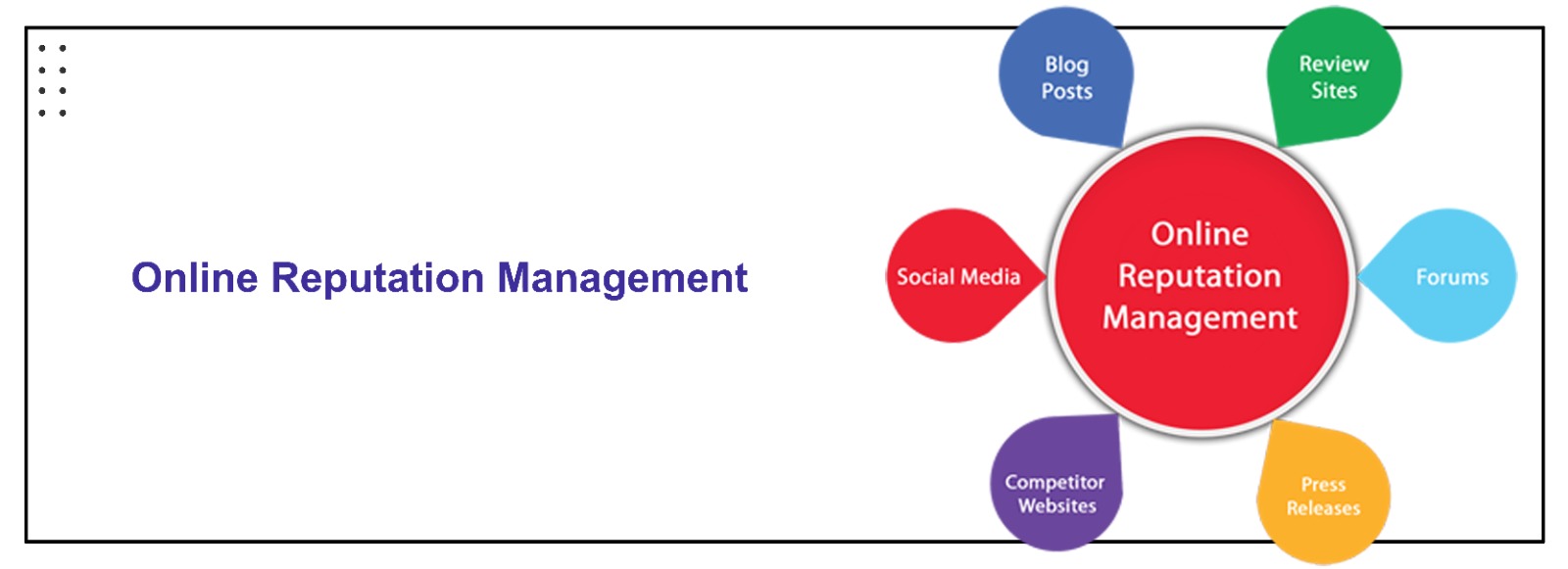
Online Reputation Management refers to a structured approach that helps businesses control the narrative surrounding their brand online. It involves tracking brand mentions, managing reviews, handling complaints, producing positive content, and ensuring that accurate, trustworthy information appears prominently in search results.
Unlike traditional public relations, ORM operates in real time. Information spreads quickly, and a single negative post can reach thousands of people within minutes. ORM ensures that brands are prepared to respond promptly, professionally, and strategically.
At its core, ORM aligns a company’s online image with its real-world values, services, and commitments.
Why Online Reputation Management Is Essential Today
Consumers Research Before They Buy
Before purchasing a product or service, most consumers search online. They read Google reviews, check ratings, explore social media profiles, and browse third-party platforms. A negative online reputation can instantly drive potential customers away even if the business offers high-quality products or services.
A strong online reputation, on the other hand, builds confidence and reduces hesitation in decision-making.
First Impressions Are Digital
For many people, Google search results are the first interaction with a brand. What appears on the first page of search results largely determines credibility. If outdated, misleading, or negative content dominates search rankings, it can permanently harm perception.
ORM ensures that the first impression created online is accurate, positive, and brand-aligned.
Reputation Impacts Revenue and Growth
A poor online reputation directly affects conversion rates, customer retention, and long-term growth. Studies consistently show that customers are willing to pay more for brands with positive reviews and strong credibility.
Investors, lenders, and partners also evaluate online reputation before associating with a business.
Digital Risks Are Increasing
False reviews, online trolling, misinformation, competitor attacks, and viral complaints are becoming common. ORM provides businesses with a framework to identify and address these risks before they escalate.
Key Components of Online Reputation Management
Online Reputation Management is multi-dimensional. It involves several interconnected elements that work together to protect and enhance brand perception.
Online Monitoring and Brand Tracking
Monitoring is the foundation of ORM. Businesses must continuously track:
- Brand mentions on search engines
- Customer reviews and ratings
- Social media comments and tags
- Mentions on blogs, forums, and news websites
- Competitor references and comparisons
Early detection of negative content allows businesses to respond before the issue gains traction. Monitoring tools and manual checks help maintain visibility across platforms.
Review Management and Customer Feedback Handling
Online reviews are among the most powerful reputation drivers. Customers often trust reviews more than advertisements.
Effective review management includes:
- Encouraging genuine, honest reviews from satisfied customers
- Responding professionally to negative feedback
- Resolving complaints transparently
- Avoiding defensive or aggressive responses
Even negative reviews can strengthen reputation when handled correctly. A thoughtful, empathetic response shows accountability and commitment to customer satisfaction.
Search Engine Reputation Management (SERM)
Search engines play a critical role in shaping brand perception. Search Engine Reputation Management focuses on improving the visibility of positive content while reducing the impact of harmful or misleading information.
This involves:
- Publishing SEO-optimized blogs and articles
- Creating authoritative content on trusted platforms
- Optimizing brand-owned digital assets
- Improving domain authority and online credibility
Over time, this pushes negative content lower in search rankings and ensures that positive narratives dominate.
Social Media Reputation Control
Social media platforms are powerful yet unpredictable. A single viral post can significantly impact a brand’s image.
ORM on social media includes:
- Consistent brand voice and messaging
- Timely responses to comments and queries
- Proactive engagement with followers
- Crisis management during backlash or misinformation
Brands that actively engage and communicate transparently on social media are perceived as more trustworthy and customer-centric.
Content Creation and Brand Authority Building
Content is one of the strongest tools in ORM. High-quality content helps brands tell their story, showcase expertise, and build authority.
This includes:
- Blogs and educational articles
- Press releases and media features
- Thought leadership content
- FAQs, guides, and case studies
Consistent content creation strengthens credibility and ensures that search engines prioritize reliable, brand-controlled information.
Online Reputation Management During a Crisis
Every business may face a reputation crisis at some point. This could be due to a customer complaint, negative media coverage, internal issues, or misinformation.
ORM provides a structured crisis response strategy that includes:
- Assessing the situation objectively
- Identifying the source and impact of the issue
- Communicating transparently and professionally
- Taking corrective action where required
- Monitoring post-crisis sentiment
A calm, responsible response can often turn a crisis into an opportunity to demonstrate integrity and accountability.
ORM for Different Types of Businesses
Startups and Small Businesses
Startups and small businesses are highly sensitive to online reputation. A few bad reviews or negative mentions can significantly impact early growth.
ORM helps startups:
- Build trust quickly
- Establish digital credibility
- Compete with established players
- Prevent long-term reputation damage
Professional Services and Consultants
Law firms, doctors, accountants, consultants, and advisors rely heavily on trust. ORM ensures that their online presence reflects expertise, professionalism, and ethical standards.
Corporates and Enterprises
For larger organizations, reputation affects investor relations, recruitment, compliance, and public trust. ORM supports long-term brand stability and risk mitigation.
Ethical Practices in Online Reputation Management
Ethical Online Reputation Management is built on transparency, honesty, and genuine communication with customers. The goal of ORM is not to manipulate public opinion or hide problems, but to present a truthful and balanced image of the brand online. Ethical ORM avoids practices such as posting fake reviews, deleting genuine criticism, spreading false claims, or misleading audiences through artificial promotion. Instead, it focuses on creating trust by engaging with real customers and addressing real issues.
Encouraging genuine customer feedback is a key ethical practice. Businesses should invite honest reviews from customers who have actually used their products or services. Addressing issues openly rather than hiding them shows accountability and professionalism. Providing accurate, updated information across websites, listings, and social media helps avoid confusion and builds credibility. Ethical ORM also requires strict adherence to platform rules, consumer protection laws, and advertising guidelines. When businesses follow ethical practices, they build long-term trust. Unethical ORM tactics may offer short-term gains, but they often backfire, leading to penalties, public backlash, legal consequences, and permanent loss of credibility.
Common Online Reputation Challenges
Businesses today face multiple challenges when managing their online reputation. One of the most common issues is fake or malicious reviews, which may be posted by competitors, disgruntled individuals, or automated bots. These reviews can mislead potential customers and damage trust if left unaddressed. Another frequent challenge is outdated or incorrect information, such as old contact details, discontinued services, or inaccurate descriptions that continue to appear online.
Negative press coverage can also affect reputation, especially when information is taken out of context or remains visible long after the issue has been resolved. Social media backlash is another major challenge, as complaints and criticism can spread rapidly and escalate within hours. In some cases, competitor-driven misinformation is deliberately circulated to weaken a brand’s image. A proactive ORM strategy helps businesses detect these issues early, respond appropriately, and prevent long-term reputational damage.
Long-Term Benefits of Online Reputation Management
Effective Online Reputation Management delivers significant long-term value for businesses. One of the most important benefits is increased customer trust and loyalty. When customers consistently see positive reviews, transparent responses, and credible information, they are more likely to choose and stay with the brand. ORM also contributes to higher conversion rates, as a strong reputation reduces hesitation during purchase decisions.
Improved search visibility is another key benefit. Search engines tend to prioritize trustworthy and authoritative content, making ORM closely linked to better rankings. By managing reputation proactively, businesses can also reduce marketing costs, as trust-driven brands rely less on aggressive advertising. Over time, ORM builds strong brand equity, making the brand more resilient to competition. It also improves confidence among investors, partners, and stakeholders, who increasingly evaluate online reputation before making decisions. A positive reputation becomes a powerful competitive advantage that cannot be easily copied.
ORM as a Continuous Process
Online Reputation Management is not a one-time task or a short-term campaign. The digital environment is constantly changing, with new reviews, comments, algorithms, and platforms emerging regularly. Public perception also evolves with every customer interaction. This makes ORM an ongoing process that requires consistent attention and effort.
Successful ORM involves continuous monitoring of online mentions, regular updates to content, and active engagement with customers across platforms. Periodic strategy reviews are essential to assess what is working and what needs improvement. Brands that treat ORM as a continuous process are better equipped to handle challenges, adapt to market changes, and maintain long-term credibility. Consistency in reputation management ensures stability and relevance in the digital space.
The Future of Online Reputation Management
The future of Online Reputation Management will be shaped by rapid digital advancements and evolving technologies. AI-driven search engines, voice assistants, and automated content summaries are already changing how people discover and evaluate brands. Instead of browsing multiple websites, users may rely on AI-generated answers that summarize online reputation instantly.
Algorithm-based recommendations, review scoring systems, and predictive analytics will further influence public perception. This makes ORM more critical than ever, as brands will need to ensure that accurate and positive information feeds into these systems. Businesses that invest in strong ORM strategies today will be better prepared to adapt to these changes. By focusing on authenticity, credibility, and long-term trust, brands can stay ahead in an increasingly AI-driven digital.
Conclusion
Frequently Asked Questions (FAQs)
Q1. What is Online Reputation Management (ORM)?
Ans. Online Reputation Management (ORM) is the process of monitoring, managing, and improving how a brand or individual is perceived online. It focuses on reviews, search results, social media mentions, and online content to ensure that accurate and positive information represents the brand across digital platforms.
Q2. Why is Online Reputation Management important for businesses?
Ans. ORM is important because customers research brands online before making decisions. A negative review or misleading information can reduce trust and sales. ORM helps protect credibility, build customer confidence, and ensure long-term business growth by maintaining a positive online image.
Q3. How does Online Reputation Management work?
Ans. ORM works through continuous monitoring of online mentions, managing customer reviews, responding to feedback, publishing positive content, and optimizing search results. The goal is to highlight trustworthy content while minimizing the impact of negative or false information.
Q4. Can Online Reputation Management remove negative reviews?
Ans. ORM cannot remove genuine customer reviews simply because they are negative. However, false, defamatory, or policy-violating reviews can be reported to platforms. ORM also focuses on responding professionally and balancing negative reviews with positive, authentic feedback.
Q5. How long does it take to see results from ORM?
Ans. Online Reputation Management is a long-term process. Minor improvements may be visible within a few weeks, but meaningful reputation changes usually take several months. Consistency, quality content, and ethical practices are key to sustainable results.
Q6. Is Online Reputation Management only for large companies?
Ans. No. ORM is equally important for startups, small businesses, professionals, and individuals. In fact, smaller businesses are often more vulnerable to reputation damage, making ORM essential from the early stages of growth.
Q7. How does ORM help during a reputation crisis?
Ans. During a crisis, ORM helps by monitoring the situation in real time, controlling misinformation, issuing professional responses, and guiding corrective actions. A structured ORM approach prevents emotional reactions and protects long-term brand trust.
Q8. What role do reviews play in Online Reputation Management?
Ans. Reviews are one of the strongest factors influencing online reputation. ORM encourages positive reviews, addresses customer complaints, and ensures transparent communication. Well-managed reviews improve trust, visibility, and customer engagement.
Q9. Is Online Reputation Management ethical and legal?
Ans. Yes, ethical ORM is completely legal. It focuses on transparency, honest communication, genuine reviews, and accurate information. Unethical practices like fake reviews or content manipulation can lead to legal issues and loss of trust.
Q10. How does Online Reputation Management affect SEO?
Ans. ORM and SEO are closely connected. Positive content, authoritative articles, and well-managed reviews help improve search rankings. ORM ensures that high-quality, brand-controlled content appears prominently in search results.