

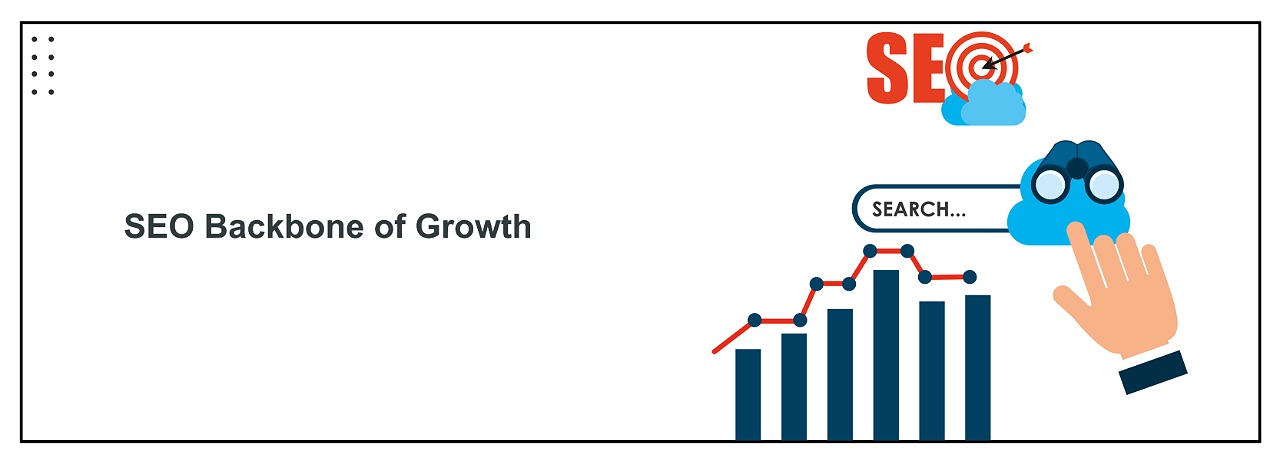
Having a website alone is no longer enough to ensure online success. With intense competition across every industry, businesses must make sure their websites are visible, easily discoverable, and trusted by both search engines and users. Search Engine Optimization (SEO) addresses this need by helping websites rank for relevant searches and attract the right audience. However, SEO goes beyond rankings. It focuses on building long-term authority, credibility, and a steady stream of organic traffic that supports sustainable business growth over time.
Rank SERP helps businesses grow organically through a structured and performance-driven SEO approach. By combining strategic planning, data analysis, and continuous optimisation, Rank SERP ensures that SEO efforts are aligned with real business objectives. This approach attracts high-intent users, improves brand trust, and delivers measurable outcomes, allowing businesses to achieve consistent growth rather than relying on short-term visibility or paid advertising alone.
What Is SEO and Why Does It Matter?
Search Engine Optimization (SEO) is the process of improving a website so that it appears higher on search engines like Google when users search for relevant keywords. When a website ranks higher, it becomes more visible to potential customers, leading to increased traffic and better business opportunities. Since most users do not go beyond the first page of search results, SEO plays a critical role in ensuring a business is found at the right time.
Unlike paid advertising, SEO delivers long-term value. Once a website builds authority and trust with search engines, it continues to attract visitors organically without recurring advertising costs. This makes SEO one of the most cost-effective digital marketing strategies. For startups, SMEs, and established brands, SEO offers a strong return on investment by delivering consistent visibility, credibility, and sustainable growth over time.
How SEO Drives Real Business Results
SEO is not just a technical activity it directly contributes to business success. First, SEO attracts high-intent users. People searching on Google already have a need or problem, and ranking for the right keywords brings users who are more likely to take action, whether it is making an enquiry or a purchase.
Second, SEO builds trust and credibility. Websites that appear on the first page are often perceived as reliable and established, even before users interact with them. Third, SEO improves overall user experience. Faster loading pages, clear website structure, and relevant content keep users engaged longer. Together, these factors help increase conversions, reduce bounce rates, and support long-term business growth.
Core Elements of an Effective SEO Strategy
1. Keyword Research and Search Intent
SEO starts with understanding what users are searching for and the intent behind their searches. Effective keyword research focuses on business-relevant keywords, user intent (informational, commercial, or transactional), and search competition. Choosing the right keywords ensures that traffic coming to the website is relevant and aligned with business goals, not just high in numbers.
2. On-Page SEO Optimization
On-page SEO helps search engines understand the content of a website. This includes optimised titles and meta descriptions, clear heading structure, keyword-focused content, and internal linking. Proper on-page optimisation improves rankings while also creating a smooth and user-friendly browsing experience.
3. Technical SEO Foundation
Technical SEO ensures that a website is easy for search engines to crawl and index. It focuses on fast page speed, mobile responsiveness, secure HTTPS connections, clean URL structures, and error-free indexing. Without strong technical SEO, even well-written content may fail to rank effectively.
4. Content That Builds Authority
Content is the foundation of SEO success. High-quality content answers user questions clearly, builds topical authority, and encourages backlinks and shares. Blogs, guides, service pages, and FAQs help businesses demonstrate expertise and gain trust from both users and search engines.
5. Off-Page SEO and Brand Signals
Off-page SEO focuses on building credibility beyond the website. Quality backlinks, brand mentions, and social signals indicate authority and relevance. Search engines use these signals to assess how trustworthy and established a brand is within its industry.
Why Businesses Need Professional SEO Support
Search Engine Optimization is not a static activity that can be managed with basic knowledge or occasional effort. Search engines regularly update their algorithms to improve result quality, user behaviour keeps evolving, and online competition grows more intense every day. For businesses, keeping up with these changes while managing core operations becomes difficult and risky. DIY SEO often leads to poor keyword choices, technical errors, or outdated practices that can harm rankings or invite penalties.
Professional SEO support brings structure, expertise, and accountability to the process. SEO experts rely on data, performance insights, and industry best practices to build strategies that are both effective and safe. With RankSERP, businesses can concentrate on scaling operations while SEO is handled with clarity, precision, and consistency ensuring sustainable growth rather than short-lived results.
SEO Is Not a One-Time Task
One of the most common misconceptions about SEO is that it can be completed once and left unchanged. In reality, SEO requires continuous effort to remain effective. Search trends change, competitors improve their strategies, and algorithms evolve regularly. Content must be updated to stay relevant, technical performance must be monitored, and rankings must be protected through ongoing optimisation.
Businesses that treat SEO as a one-time setup may see temporary improvements but often experience gradual decline over time. In contrast, those that view SEO as a long-term investment benefit from steady visibility, stronger authority, and consistent traffic. Continuous SEO allows businesses to adapt proactively, capture new opportunities, and maintain a competitive edge in search results.
Final Thoughts
SEO is no longer optional for businesses that want to remain visible and competitive online. It plays a vital role in building trust, attracting high-intent users, and driving long-term business growth. A strong SEO strategy improves rankings while also strengthening brand credibility and user experience.
With the right planning, execution, and expert guidance, SEO becomes a valuable growth asset rather than a technical challenge. RankSERP focuses on building SEO strategies that go beyond rankings delivering measurable impact, sustainable visibility, and real business outcomes that support long-term digital success.
Frequently Asked Questions (FAQs)
Q1. Why should businesses invest in professional SEO services?
Ans. Professional SEO services help businesses avoid common mistakes and build a structured, data-driven strategy. SEO experts understand algorithm changes, user intent, and technical requirements, ensuring sustainable growth, better rankings, and long-term visibility without risking penalties or wasted effort.
Q2. Can businesses manage SEO on their own?
Ans. While basic SEO tasks can be handled internally, managing SEO effectively over the long term is challenging. Algorithm updates, competitor strategies, and technical issues require continuous monitoring and expertise. Without professional support, businesses often struggle to maintain stable rankings and consistent results.
Q3. How long does SEO take to show results?
Ans. SEO is a long-term process. Initial improvements may appear within a few months, but meaningful and stable results usually take 6 to 9 months, depending on competition, industry, and strategy. Consistent effort delivers compounding benefits over time.
Q4. Why is SEO considered an ongoing process?
Ans. Search engines constantly update algorithms, and user behaviour keeps changing. Content needs refreshing, technical issues must be fixed, and competitors continuously optimise. Ongoing SEO ensures a business stays relevant, visible, and competitive in search results.
Q5. What happens if SEO is stopped after initial optimisation?
Ans. If SEO efforts stop, rankings often decline gradually. Competitors may overtake positions, content can become outdated, and technical issues may arise. Continuous SEO helps protect rankings and maintain long-term authority.
Q6. How does professional SEO improve business growth?
Ans. Professional SEO attracts high-intent users, builds trust through consistent visibility, and improves user experience. This leads to higher engagement, better conversion rates, and reduced dependency on paid advertising, supporting sustainable business growth.
Q7. Is SEO more cost-effective than paid advertising?
Ans. Yes. While paid ads stop delivering results once spending ends, SEO continues to drive traffic even after initial investment. Over time, SEO lowers customer acquisition costs and delivers a higher return on digital marketing spend.
Q8. How does Rank SERP support businesses with SEO?
Ans. Rank SERP provides strategic, data-driven SEO solutions focused on long-term growth. The team handles research, optimisation, monitoring, and performance tracking, allowing businesses to focus on operations while achieving measurable digital success.