

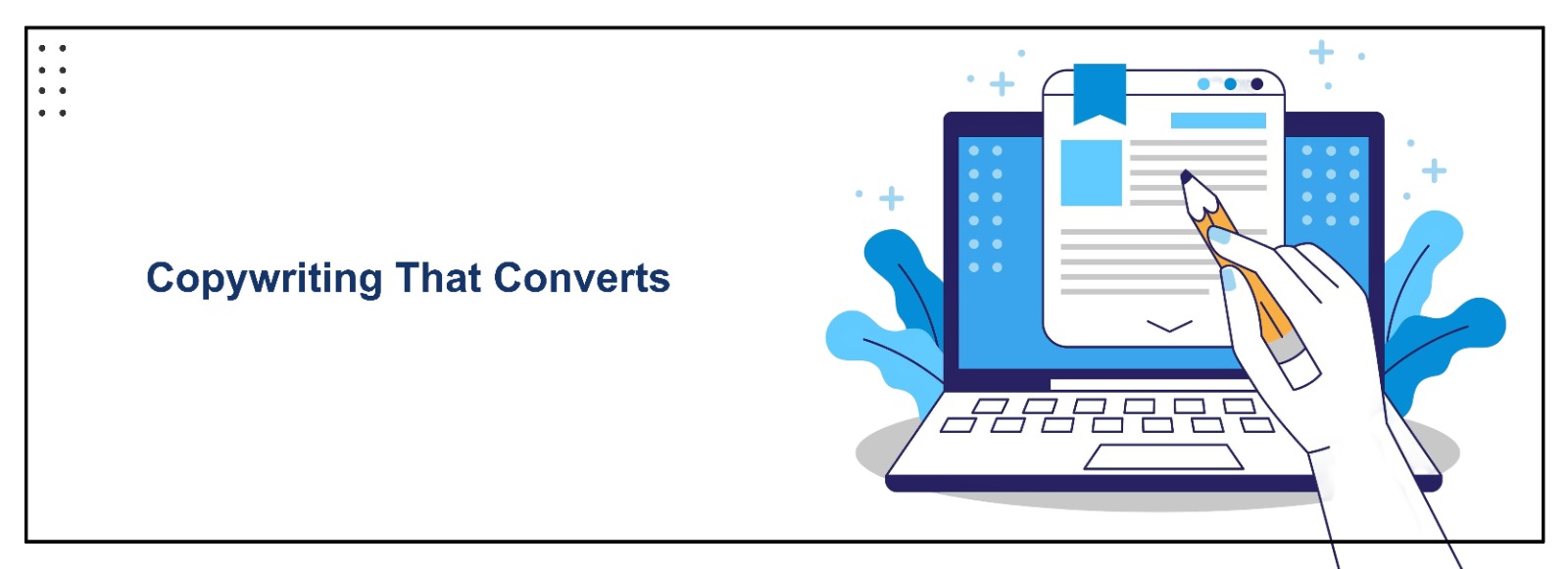
The title “Copywriting That Converts, Not Just Sounds Good” draws attention to an important reality in modern marketing. Today, businesses can easily create content that looks polished and professional using design tools, AI writing support, and ready-made templates. While such content may appear impressive, it does not automatically lead to results. Attractive language and good presentation alone are no longer enough to influence decisions in a crowded digital space.
The word “converts” in the title emphasizes measurable outcomes, such as enquiries, sales, subscriptions, or bookings. It highlights that effective copywriting is judged by action, not appearance. The phrase “not just sounds good” challenges the idea that creativity alone defines success. Instead, it positions copywriting as a strategic tool focused on clarity, impact, and guiding reader decisions, rather than merely being a form of creative expression.
What Copywriting That Converts Truly Means
Copywriting that converts is purpose-driven writing created with a clear end goal in mind. Unlike general content that may aim to entertain or impress the reader, conversion copywriting is focused on influencing decisions. Its role is to move the reader from awareness to action by understanding how people think, feel, and hesitate before making a choice. This type of copy is built on human behaviour, not decorative language.
Conversion-focused copy also respects the reader’s limited attention and natural doubts. It anticipates questions, addresses concerns, and presents information in a clear, structured way instead of overwhelming the reader with unnecessary details. Every sentence serves a function either to explain, reassure, motivate, or guide the reader toward the next step. The effectiveness of this copy is measured by real outcomes such as enquiries, sales, or engagement, proving that converting copy bridges the gap between interest and action.
Why Copy That Only “Sounds Good” Often Fails
The Problem of Unclear Messaging
One of the most common reasons aesthetically pleasing copy fails is that it lacks clarity. Many businesses rely on vague expressions that sound professional but convey very little meaning. When readers encounter such language, they struggle to understand what is actually being offered. In a fast-paced digital environment, people do not have the patience to decode messages. If the value is not immediately apparent, they leave. Conversion-focused copy eliminates this issue by prioritizing directness and simplicity. It ensures that readers understand the offering within seconds, reducing mental effort and increasing engagement.
Excessive Focus on the Brand Instead of the Reader
Another major weakness of non-converting copy is its inward focus. Businesses often emphasize their achievements, history, and capabilities without connecting them to the reader’s needs. While credentials are important, they should serve the reader’s confidence, not the brand’s ego. Conversion-driven copy flips the perspective. It begins with the reader’s problem, speaks in their language, and positions the service as a solution tailored to them. This shift transforms the reader from a passive observer into an active participant in the message.
Lack of Guidance and Direction
Even when copy is clear and engaging, it can still fail if it does not provide direction. Readers need to know what to do next. Without a clear call-to-action, interest fades into inaction. Conversion copy understands that decision-making requires guidance. It gently but firmly directs the reader toward the next logical step, reducing uncertainty and friction. This sense of direction is essential for turning attention into results.
The Psychological Foundation of Conversion Copywriting
Creating a Sense of Being Understood
At the heart of conversion copywriting lies empathy. People respond positively when they feel understood. When copy accurately describes a reader’s challenges, frustrations, or goals, it creates an emotional connection. This connection builds trust even before the solution is introduced. Readers are more willing to listen when they believe the writer understands their situation. This emotional alignment is often the first trigger for engagement.
Strengthening Belief in the Solution
Understanding alone is not enough. Readers must also believe that the proposed solution can genuinely help them. Conversion copy builds this belief by explaining how the solution works in practical terms. It avoids exaggerated claims and instead focuses on realistic outcomes. By breaking down the process and highlighting benefits, the copy reassures readers that the solution is achievable and relevant to their needs.
Reducing Resistance Through Trust
Resistance is a natural part of decision-making. People hesitate because they fear risk, loss, or disappointment. Conversion-focused copy anticipates this hesitation and addresses it proactively. Trust is built through transparency, consistency, and credibility. When readers trust the source, they feel safer taking the next step. Trust transforms curiosity into commitment.
The Step-by-Step Conversion Copywriting Process
Capturing Attention with Purpose
The opening of any piece of copy determines whether it will be read or ignored. Conversion copy uses its opening lines to immediately signal relevance. This is done by addressing a familiar problem, presenting a relatable situation, or highlighting a desirable outcome. The goal is not shock value, but recognition. When readers recognize themselves in the message, they continue reading.
Defining the Problem Clearly and Honestly
Once attention is secured, the copy must articulate the problem in detail. This step is crucial because it validates the reader’s experience. By explaining why the problem exists and how it affects the reader, the copy deepens emotional engagement. A well-defined problem creates a strong foundation for introducing the solution.
Emphasizing the Consequences of Delay
Conversion copy then highlights what happens if the problem remains unsolved. This is not about fear-mongering, but about awareness. By explaining the hidden costs of inaction, the copy encourages urgency. Readers begin to realize that waiting has its own consequences, which motivates them to act sooner.
Introducing the Solution as a Natural Fit
At this stage, the solution is presented as a logical and timely response to the problem. Conversion copy focuses on how the solution aligns with the reader’s needs rather than on technical specifications. The emphasis remains on outcomes and ease, making the solution feel approachable and beneficial.
Reinforcing the Message with Proof
Proof strengthens credibility and reduces doubt. When readers see evidence that others have benefited, their confidence increases. Conversion copy uses proof not to boast, but to reassure. This reassurance plays a vital role in moving readers closer to action.
Leading the Reader with a Clear Call-to-Action
The final stage of conversion copywriting is the call-to-action. This is where the reader is invited to take the next step. A strong CTA is clear, specific, and aligned with the reader’s readiness. It simplifies the decision by explaining what will happen next and why it is worth doing.
Core Elements That Make Copy Convert
The title “Core Elements That Make Copy Convert” refers to the key factors that turn simple writing into persuasive copy that drives action. It emphasizes that effective copywriting is built on clarity, relevance, trust, and structure. When these elements work together, copy stops being decorative and starts delivering real results by guiding readers toward decisions.
The Role of a Strong Value Proposition
A value proposition explains the core reason why a service or product is important to the reader. It highlights the main benefit and answers the question of why the reader should care. In conversion-focused copy, this message is presented early and in a clear manner so the reader immediately understands the relevance of the offering. When people quickly grasp the value being offered, they are more likely to stay engaged, trust the message, and continue reading with interest.
Translating Features into Benefits
Features describe the characteristics or components of a service, but benefits explain how those features improve the reader’s situation. Conversion copy connects technical details to real-life advantages, such as saving time, reducing effort, or avoiding risk. By focusing on benefits, the copy helps readers imagine the positive outcome they will experience. This makes the message more relatable and allows the reader to see personal value in the service, which increases the likelihood of conversion.
Addressing Objections Within the Copy
Readers often hesitate because they have unanswered questions or concerns, such as doubts about cost, effectiveness, or suitability. Conversion-focused copy anticipates these objections and addresses them directly within the content. By offering clear explanations and reassurance, the copy reduces uncertainty and builds trust. When readers feel their concerns have been acknowledged and resolved, they become more confident in taking the next step.
Maintaining Readability and Flow
Readability is essential for effective copywriting. Even valuable information can lose impact if it is presented in a complex or confusing way. Conversion copy maintains a smooth logical flow and uses well-structured paragraphs to guide the reader from one idea to the next. This clarity and ease of reading keep the reader focused, prevent mental fatigue, and ensure the key message is clearly understood, ultimately supporting higher conversion rates.
The Difference Between Writing and Conversion Copywriting
Traditional writing focuses mainly on expression, creativity, and style. Its purpose is often to inform, entertain, or share ideas in an engaging way. Success in traditional writing is usually measured by how well the content reads, how creative it sounds, or how effectively it conveys a message. While it can build awareness and interest, it does not always aim to influence immediate action from the reader.
Conversion copywriting, on the other hand, is results driven. Its primary goal is to persuade the reader to take a specific action, such as making a purchase, signing up, or contacting a business. A conversion copywriter evaluates every sentence based on its impact whether it builds trust, reduces doubt, highlights value, or guides the reader closer to a decision. This focused and disciplined approach turns writing into a strategic business asset, where words are used not just to communicate, but to generate measurable outcomes.
Final Conclusion
Copywriting that converts is built with a clear purpose. It focuses on the reader’s needs, concerns, and motivations rather than simply using attractive or complex language. By being empathetic and strategic, such copy communicates value in a direct and meaningful way. In a digital space where people have limited time and countless choices, clarity becomes essential. When readers immediately understand what is being offered and how it benefits them, they are more likely to stay engaged and take action.
Effective copywriting also provides direction. It guides readers through their decision-making process by addressing doubts, building trust, and clearly indicating the next step. When copy is structured around the reader’s journey and supported by logical flow and reassurance, it transforms interest into results. In the end, successful copywriting is measured not by how impressive it sounds, but by how well it drives real outcomes for a business.
Frequently Asked Questions (FAQs)
Q1. What is the difference between copywriting and content writing?
Ans. Copywriting is primarily focused on persuasion and action. Its goal is to encourage the reader to take a specific step, such as making a purchase, booking a consultation, or submitting an enquiry. Content writing, on the other hand, is usually educational or informational in nature and aims to inform, engage, or build awareness. While content writing builds long-term trust and authority, copywriting is more direct and outcome-driven. Conversion-focused copywriting often uses content principles but applies them strategically to drive results.
Q2. Why does good-looking or well-written copy fail to generate leads?
Ans. Good-looking copy often fails because it prioritizes style over clarity and purpose. Many businesses focus on sounding professional or creative without clearly explaining what they offer, who it is for, and why it matters. If the reader does not immediately understand the value or is unsure about the next step, they leave without acting. Conversion-driven copy succeeds because it removes confusion, addresses doubts, and guides the reader toward a clear action.
Q3. How do I know if my copy is converting or not?
Ans. The effectiveness of copy is measured by results, not opinions. If your copy is converting, you will see measurable outcomes such as increased enquiries, higher form submissions, better click-through rates, or improved sales. If people read your content, appreciate it, but do not take action, it indicates that the copy sounds good but does not convert. Tracking user behavior, analytics, and response rates helps identify whether your copy is performing its intended function.
Q4. Is conversion copywriting only useful for sales pages?
Ans. No, conversion copywriting is useful across all customer touchpoints. While it is commonly associated with sales and landing pages, its principles apply equally to websites, emails, social media posts, advertisements, and even informational pages. Any platform where you want the reader to take action can benefit from conversion-focused copywriting. The level of persuasion may vary, but the underlying goal remains the same.
Q5. Does conversion-focused copywriting mean aggressive selling?
Ans. Conversion copywriting is not about aggressive or pushy selling. Instead, it is about clarity, guidance, and trust-building. Effective conversion copy respects the reader’s intelligence and decision-making process. It provides relevant information, answers concerns, and makes the next step easy. When done correctly, it feels helpful rather than salesy.
Q6. How important is understanding the target audience in copywriting?
Ans. Understanding the target audience is essential for conversion. Without knowing the reader’s pain points, expectations, fears, and goals, it is impossible to write persuasive copy. Conversion copywriting begins with audience research and empathy. When the message aligns with the reader’s real concerns and language, it becomes more relatable and impactful, significantly improving conversion rates.
Q7. What role does psychology play in copywriting that converts?
Ans. Psychology plays a central role in conversion copywriting. People make decisions emotionally first and rationalize them later. Conversion copy leverages this by addressing emotional triggers such as fear, desire, security, convenience, and trust. By understanding how people think and decide, copywriters can structure messages that resonate deeply and encourage action without manipulation.
Q8. Why are calls-to-action (CTAs) so important in copywriting?
Ans. Calls-to-action provide direction and clarity. Even if a reader is interested, they may not act unless explicitly guided. A strong CTA tells the reader what to do next, why they should do it, and what benefit they will receive. Without a clear CTA, readers may leave despite being convinced, resulting in lost opportunities.
Q9. Can technical or legal services also use conversion copywriting?
Ans. Yes, technical and legal services benefit greatly from conversion-focused copywriting. In fact, such services often involve complexity and hesitation, making clarity and trust even more important. Conversion copywriting simplifies complex information, explains processes clearly, and reassures clients about reliability and compliance. This approach helps reduce fear and increases confidence in decision-making.
Q10. How long should conversion-focused copy be?
Ans. There is no fixed length for conversion copy. The ideal length depends on the complexity of the product or service and the reader’s level of awareness. High-risk or high-value services often require longer, more detailed copy to build trust and answer objections. Simpler offerings may convert with shorter copy. The key is not length, but whether the copy answers all necessary questions and guides the reader toward action.