

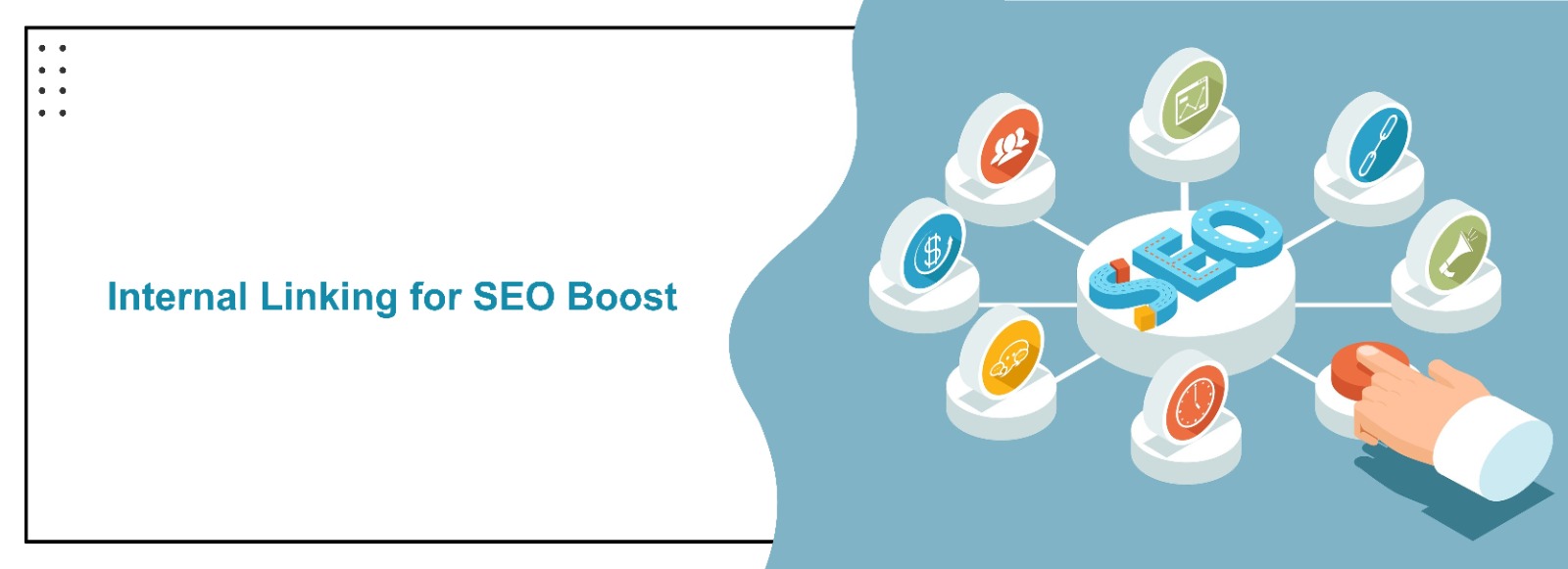
Internal linking is a fundamental on-page SEO practice that connects one page of a website to another within the same domain. It helps search engines understand the structure, hierarchy, and relationship between different pieces of content. When pages are properly interlinked, search engine crawlers can easily discover, crawl, and index important pages, improving overall site visibility. It also signals which pages are more important by directing more links toward them, increasing their chances of ranking higher in search results.
For businesses and service-based websites, internal linking plays a key role in improving keyword rankings and distributing page authority across the site. High-traffic or high-authority pages can pass value to service and conversion pages, strengthening their ranking potential. Internal links also guide users to relevant content, increase time on site, and support lead generation. Since they are fully controlled by the website owner, internal links provide a scalable and cost-effective method to enhance SEO performance and user experience.
Why Internal Linking is Important for SEO
Internal linking plays a vital role in both technical SEO and user experience. It helps search engines understand how different pages on a website are connected and which pages hold the most importance. When a page receives multiple relevant internal links, search engines treat it as a priority page and are more likely to rank it higher. This improves keyword visibility and ensures that important service or conversion pages gain more authority.
Helps Search Engines Understand Content
Internal links create clear relationships between topics, helping search engines interpret content structure and relevance. This improves topical signals and ranking potential.
Improves User Navigation
By guiding users to related articles and services, internal links increase session duration, reduce bounce rate, and improve overall engagement.
Boosts Page Authority
Link equity flows from high-authority pages to other pages, strengthening their ability to rank in search results.
Role of Internal Links in Crawling and Indexing
Search engine bots use internal links to crawl and discover new pages. If a page has no internal links pointing to it, it becomes an orphan page and may not be indexed. A strong internal linking structure ensures that all important pages are easily accessible to search engines and users.
Improves Crawl Depth
Keeping important pages within three clicks from the homepage helps search engines crawl them efficiently and improves their visibility.
Ensures Faster Indexing
New pages are indexed more quickly when they are linked from existing high-traffic or high-authority pages.
Prevents Orphan Pages
Every key page should have at least one internal link, ensuring it remains part of the site structure and receives crawl attention.
Distributing Link Equity Through Internal Links
Link equity, often called link juice, refers to the value that passes from one page to another through internal links. Pages that already have strong authority, such as the homepage or high-traffic blog posts, can transfer this value to other important pages. This helps search engines understand which pages should rank higher and improves the visibility of service and conversion pages. Proper distribution of link equity ensures that no important page remains underlinked or buried deep within the site.
Use High-Authority Pages Strategically
Linking from the homepage, category pages, or popular blogs to key service pages signals their importance to search engines. This improves their ranking potential and drives targeted traffic.
Support New Content
Newly published pages gain faster indexing and visibility when they are linked from established, authoritative pages. This helps them start ranking sooner.
Improve Conversion Pages
Service pages such as GST registration, trademark filing, and EPR compliance receive more authority and traffic when supported by internal links from informational content.
Anchor Text Optimization for Internal Links
Anchor text is the clickable text used in a hyperlink and plays a major role in defining keyword relevance. Well-optimized anchor text helps search engines understand the topic of the linked page and improves its ranking potential. It also provides clarity to users about what they can expect after clicking the link.
Use Descriptive Anchor Text
Instead of generic phrases like “click here,” using specific text such as “GST registration process” or “EPR compliance requirements” improves keyword targeting and relevance.
Maintain Natural Language
Overusing exact-match keywords can appear manipulative. Using natural variations keeps the content user-friendly and SEO safe.
Match User Intent
Anchor text should clearly reflect the content of the destination page so that users find the information they expect, improving engagement and reducing bounce rates.
Creating a Logical Website Structure
A logical website structure is essential for both SEO and user experience. It helps search engines understand the hierarchy of pages and ensures that users can easily navigate from general information to specific services. A well-organized structure distributes link equity effectively, improves crawl efficiency, and makes important pages more accessible. When pages are connected in a clear hierarchy, search engines can identify which content is most valuable and rank it accordingly.
Pyramid Structure
The ideal structure follows a pyramid model where the homepage links to category pages, category pages link to service pages, and service pages connect to detailed blog articles. This creates a clear content flow and ensures that authority passes from top-level pages to deeper pages.
Category-Based Linking
Grouping related content under relevant categories improves topical relevance and helps users find information quickly. It also allows search engines to understand content themes.
Use Breadcrumb Navigation
Breadcrumbs show the path of a page within the site hierarchy. They improve navigation and help search engines interpret the relationship between pages.
Building Topical Authority with Content Clusters
Topical authority is built when multiple related pages are interlinked around a central subject. This signals expertise to search engines and improves rankings for a group of related keywords. Content clusters also provide users with comprehensive information on a topic, increasing engagement and trust.
Create Pillar Pages
A pillar page covers a broad topic such as GST compliance and acts as the main hub for related content. It targets high-volume keywords and links to supporting articles.
Link Supporting Articles
Supporting content such as GST returns, GST cancellation, and GST penalties should link back to the pillar page and to each other. This strengthens topic relevance.
Strengthen Keyword Rankings
When search engines see a network of interlinked content on the same topic, it improves keyword authority and increases the chances of ranking higher for multiple related searches.
Contextual Internal Linking Within Content
Contextual internal links are hyperlinks placed naturally within the body of a paragraph where they add meaningful value to the reader. These links are considered more powerful for SEO because they are surrounded by relevant text, helping search engines understand the relationship between topics. Unlike footer or sidebar links, contextual links improve content relevance, pass stronger link equity, and enhance the overall topical structure of a website.
Link Naturally Within Content
Internal links should be added where they genuinely support the topic and provide additional information. For example, a blog on GST registration can link to GST return filing or GST cancellation pages within relevant sentences. This improves content depth and user experience.
Improve Engagement
Users are more likely to click links that appear within the flow of useful content. Contextual links keep readers engaged and reduce bounce rate by guiding them to related information.
Increase Page Views
By connecting related topics, contextual linking encourages users to explore more pages, increasing session duration and strengthening overall website performance.
Internal Linking for Conversion Optimization
Internal linking is not only an SEO technique but also a powerful conversion strategy. By connecting informational content to service and contact pages, businesses can guide users through a clear journey from learning to taking action. When users find helpful content and are then directed to relevant solutions, it increases trust and improves the chances of conversion. This approach turns blog traffic into qualified leads and supports business growth.
Guide Users to Action Pages
Strategic internal links should move users from blog articles to service pages and finally to contact or inquiry pages. For example, an article on trademark registration can link to the trademark filing service page and then to a consultation form. This creates a smooth user flow and increases engagement.
Improve Lead Generation
Placing internal links to service pages within high-traffic informational content helps attract users who are already interested in the topic. This increases the likelihood of inquiries and conversions.
Support Sales Funnel
Educational content builds awareness and trust at the top of the funnel, while internal links guide users toward decision-making pages, helping convert visitors into clients.
Common Internal Linking Mistakes to Avoid
Avoiding internal linking mistakes is essential for maintaining a strong site structure and achieving consistent SEO performance. Poor internal linking can confuse search engines, reduce link equity flow, and negatively impact user experience. A strategic and relevant linking approach ensures that both users and crawlers can navigate the website efficiently while improving keyword rankings and page authority.
Too Many Links on One Page
Adding excessive internal links on a single page dilutes link equity and makes it difficult for search engines to identify the most important links. It can also overwhelm users and reduce click-through effectiveness. Only relevant and high-value links should be included to maintain clarity and authority flow.
Irrelevant Linking
Linking to pages that are not contextually related confuses both users and search engines. Internal links should always connect logically related topics to improve topical relevance and provide meaningful navigation.
Broken Internal Links
Broken links lead to poor user experience and waste crawl budget. They prevent search engines from accessing important pages and reduce overall site quality. Regular audits help identify and fix these issues.
Duplicate Anchor Text
Using the same anchor text repeatedly for multiple links reduces keyword diversity and may appear manipulative. A natural variation of descriptive anchor text improves relevance and readability.
Best Practices for Internal Linking Strategy
A well-planned internal linking strategy is essential for long-term SEO success. It helps search engines understand which pages are most important while guiding users to relevant content. A structured approach ensures proper link equity distribution, improves crawl efficiency, and strengthens topical authority across the website. Regular optimization also prevents technical issues such as orphan pages and broken links, which can negatively affect rankings.
Link to Important Pages More Frequently
Key service and conversion pages should receive more internal links from blogs, category pages, and high-traffic content. This signals their importance to search engines and improves their ranking potential. Strategic linking also drives targeted users toward action pages.
Keep Key Pages Within Three Clicks
Important pages should be accessible within three clicks from the homepage. This improves crawlability, ensures faster indexing, and enhances user navigation. Deeply buried pages often receive less link equity and lower visibility.
Use a Mix of Anchor Text Variations
Using varied and natural anchor text prevents over-optimization and improves keyword relevance. It helps search engines understand the topic of the linked page while maintaining a user-friendly reading experience.
Conduct Regular Internal Link Audits
Periodic audits help identify broken links, orphan pages, and underlinked content. Fixing these issues and adding new internal links keeps the site structure strong and supports continuous SEO growth.
Tools for Internal Linking Optimization
Several SEO tools help analyze, monitor, and strengthen internal linking structures. These tools provide insights into how link equity flows across pages, which pages receive the most internal links, and which important pages are underlinked. Regular use of these tools helps improve crawlability, fix structural issues, and ensure that search engines can easily discover and index key content. A data-driven internal linking approach also enhances user navigation and supports better keyword rankings.
Google Search Console
Google Search Console helps identify which pages are indexed and how internal links are distributed across the website. It highlights pages that receive fewer internal links, allowing you to strengthen them by linking from high-authority pages. It also shows crawl errors and indexing issues that may affect internal navigation and page visibility.
Screaming Frog
Screaming Frog is a powerful technical SEO tool used to audit internal links. It detects orphan pages that are not linked from anywhere on the site, identifies broken internal links, and analyzes click depth. This helps ensure that important pages are easily accessible within a few clicks from the homepage.
Ahrefs and SEMrush
Ahrefs and SEMrush provide detailed reports on internal link distribution, anchor text usage, and authority flow between pages. These tools help identify which pages pass the most link equity and where additional internal links are needed to improve rankings and visibility.
Yoast SEO
Yoast SEO suggests relevant internal links while creating content in WordPress. It helps connect related articles, improves topical relevance, and ensures a logical linking structure. This makes it easier to maintain consistent internal linking without manual tracking.
Conclusion
Internal linking is a highly effective and fully controllable SEO technique that helps search engines crawl and understand a website’s structure. By connecting related pages, it distributes link equity across the site, strengthens topical relevance, and improves the visibility of important pages. A clear internal linking structure also enhances user navigation by guiding visitors to relevant information, increasing engagement, and reducing bounce rates. This combination of technical and user-focused benefits makes internal linking a key factor in improving overall search performance.
When businesses use content clusters, optimize anchor text, and strategically link high-authority pages to core service or conversion pages, they can significantly boost keyword rankings and organic traffic. Regular internal link audits help identify orphan pages, fix broken links, and create new linking opportunities. A consistent and well-planned internal linking strategy not only improves website performance but also supports long-term SEO growth and better lead generation.
Frequently Asked Questions (FAQ’s)
Q1. How does internal linking help search engines crawl a website?
Ans. Internal links act as pathways that allow search engine bots to discover and access different pages on a website. When pages are properly interlinked, crawlers can move from one page to another efficiently, ensuring that important content is indexed. Pages with more internal links are considered more valuable, which improves their chances of ranking higher in search results.
Q2. What is the ideal internal linking structure for SEO?
Ans. A logical hierarchical structure works best, where the homepage links to category pages, category pages link to service pages, and service pages connect to supporting blog content. This helps distribute link equity, improves crawl depth, and ensures that important pages remain easily accessible to search engines.
Q3. How do internal links distribute page authority?
Ans. Internal links pass link equity from high-authority pages to other relevant pages. For example, linking from a high-traffic blog post to a service page can improve the service page’s ranking potential. This helps balance authority across the website and strengthens underperforming pages.
Q4. Can internal linking improve keyword rankings?
Ans. Yes, internal linking improves keyword relevance by using descriptive anchor text and connecting related content. When multiple pages link to a target page using relevant anchor text, search engines better understand the topic and increase its chances of ranking for those keywords.
Q5. What role does anchor text play in internal linking?
Ans. Anchor text helps search engines understand the context of the linked page. Using natural, keyword-rich anchor text improves topical relevance and ranking potential. However, overusing the same anchor text should be avoided to maintain a natural linking pattern.
Q6. How can internal linking support content clusters?
Ans. Internal linking connects a pillar page with multiple related articles, creating a content cluster. This structure signals topical authority to search engines and improves rankings for a group of related keywords rather than a single page.
Q7. What are the common internal linking issues that affect SEO?
Ans. Common issues include broken links, orphan pages, excessive links on a single page, irrelevant linking, and deep pages that require too many clicks to access. These problems reduce crawl efficiency and weaken link equity distribution.
Q8. How do internal links improve user engagement?
Ans. By connecting related content, internal links encourage users to explore more pages, increasing time on site and page views. Higher engagement sends positive signals to search engines and improves overall SEO performance.
Q9. Should internal links be added to every page?
Ans. Yes, every important page should have at least one relevant internal link pointing to it. This ensures it remains part of the site structure and receives crawl attention and link equity.
Q10. How often should internal linking be updated?
Ans. Internal linking should be reviewed regularly, especially when new content is published. Updating old pages with links to new content helps improve indexing, distribute authority, and maintain a strong site structure.