

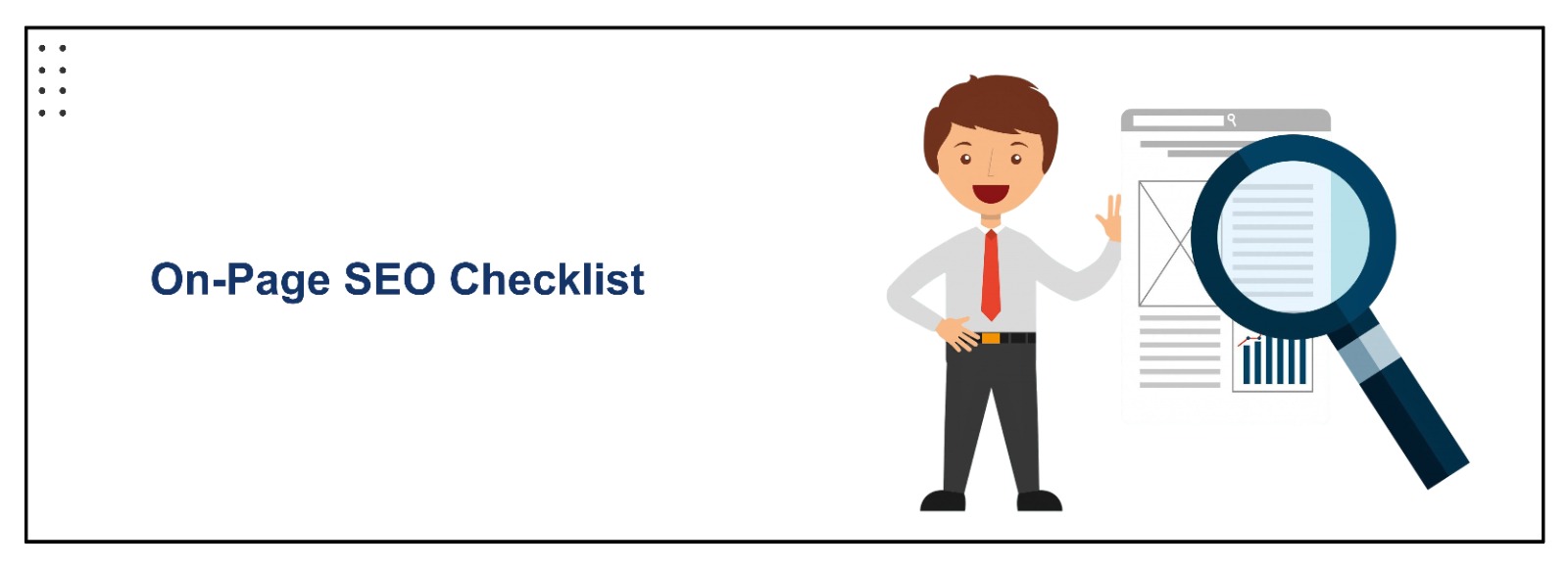
On-page SEO is not merely a technical checklist; it is a strategic content engineering process that aligns search engine understanding with user expectations. Google’s ranking systems now evaluate pages through entity recognition, semantic relevance, behavioral signals, and trust frameworks, making on-page optimization the most controllable and scalable ranking factor.
Even with a strong backlink profile, a page lacking proper topical structure, intent alignment, and experience signals will fail to achieve sustainable rankings. This is particularly critical for YMYL domains such as legal, taxation, regulatory compliance, and financial advisory, where Google applies stricter quality thresholds to prevent misinformation.
A properly optimized page performs four core functions:
-
It communicates clear topical relevance to search engines through structured signals
-
It delivers comprehensive, experience-driven content that satisfies user intent
-
It ensures technical crawlability and indexability
-
It creates trust and authority signals that reduce ranking volatility
On-page SEO therefore acts as the foundation layer upon which backlinks, brand authority, and user engagement operate.
Keyword Research as a Topical Authority Structure
Moving Beyond Single Keyword Targeting
Modern SEO is based on topic clusters rather than isolated keywords. A single page must address the entire knowledge graph surrounding a topic, including definitions, processes, tools, challenges, and use cases.
This allows Google’s NLP models to classify the page as a topical authority node, enabling it to rank for multiple semantically related queries without additional content.
For example, a page on on-page SEO should naturally cover headings, schema, Core Web Vitals, internal linking, and E-E-A-T rather than repeating the same keyword.
Search Intent as the Primary Ranking Filter
Search intent determines whether a page is even eligible to rank. Google evaluates:
- Content format
- Depth of explanation
- Presence of actionable steps
- User satisfaction signals
If an informational query is matched with promotional content, the page will experience low engagement and ranking suppression.
Keyword Mapping to Content Sections
Each H2 section should target a specific sub-intent, ensuring that the page answers multiple micro-queries. This improves semantic coverage and increases the likelihood of ranking for featured snippets and “People Also Ask” results.
Title Tag as the Primary Relevance Signal
Influence on Rankings and CTR
The title tag functions as a dual optimization element, influencing both algorithmic relevance and user click behavior. Google uses it to determine topical focus, while users rely on it to evaluate whether the page satisfies their query.
A well-structured title improves:
- Keyword prominence
- SERP differentiation
- Brand authority perception
Psychological Triggers in Titles
Incorporating numerical frameworks, time relevance, and outcome-based language increases CTR. For compliance-focused content, adding terms such as “Regulatory,” “Expert,” or “Framework” enhances perceived reliability.
Meta Description as a Behavioral Ranking Influence
Meta descriptions act as micro-conversion copy within the SERP. A high CTR signals to Google that the result is relevant, which can improve ranking stability.
An effective meta description should:
- Address the user’s core problem
- Present a clear value proposition
- Use concise, authoritative language
- Align with the page content to avoid pogo-sticking
URL Structure and Information Architecture
A clean URL is a technical relevance signal and a usability factor. It should reflect the content hierarchy and include the primary keyword.
A logical URL structure supports:
- Efficient crawling
- Breadcrumb schema generation
- Internal linking consistency
- Improved user trust and shareability
Heading Structure and Content Hierarchy
Logical Content Flow
Headings function as semantic markers that help Google parse content relationships. A structured hierarchy enables the algorithm to identify primary themes and supporting subtopics.
This also improves content skimmability, which is critical for long-form authority pages.
Impact on Featured Snippets
Google often extracts snippet content from clearly structured sections. Using question-based H2 tags followed by concise explanatory paragraphs increases snippet eligibility.
Content Depth and Comprehensive Coverage
Topical Completeness as a Ranking Factor
Google prioritizes pages that eliminate the need for users to return to the search results. This is achieved through complete topic coverage, including definitions, frameworks, examples, and implementation steps.
Demonstrating Experience and Expertise
Content should reflect first-hand knowledge, procedural understanding, and practical application. For compliance websites, referencing regulatory workflows, documentation processes, and real advisory scenarios strengthens E-E-A-T.
Content Formatting for Readability
Even highly technical content must maintain readability through structured formatting, visual hierarchy, and logical flow.
Semantic SEO and Natural Language Processing
Semantic SEO focuses on building topical depth through entity relationships, contextual meaning, and concept coverage rather than relying on exact-match keywords. Google’s Natural Language Processing models evaluate how well a page explains definitions, processes, tools, benefits, limitations, and real-world applications of a subject. When content covers related subtopics and uses industry-relevant terminology, it signals topical authority and improves classification within Google’s knowledge graph. This allows the algorithm to understand not just what the page says, but how comprehensively it addresses the subject.
By incorporating synonyms, question-based phrases, and contextual variations, the page becomes eligible to rank for voice searches, long-tail informational queries, and conversational user intent. This reduces dependency on keyword density while improving relevance across multiple search variations. Semantic optimization also enhances internal linking logic and schema alignment, creating a unified topical framework that strengthens ranking stability and long-term organic visibility.
Internal Linking as an Authority Distribution Mechanism
Internal linking functions as a strategic architecture for authority flow, content discovery, and topical hierarchy. It helps search engines identify cornerstone pages, understand relationships between topics, and crawl deeper sections efficiently. By connecting pillar pages to cluster articles and informational blogs to service offerings, internal links distribute link equity across the website, ensuring that high-value pages receive stronger ranking signals. This structured network improves indexing efficiency and supports semantic grouping of related content.
For Compliance Calendar, internal linking also creates conversion pathways by guiding users from educational resources to advisory services, case studies, and consultation pages. This increases dwell time, reduces bounce rates, and improves engagement metrics. A well-planned internal linking framework strengthens domain authority, enhances user navigation, and aligns content strategy with both SEO performance and business objectives.
External Linking and Trust Validation
External linking acts as a credibility and research validation mechanism by demonstrating that content is supported by authoritative and verifiable sources. For compliance and legal topics, referencing statutory provisions, regulatory authorities, and official government portals aligns the page with trusted information frameworks. This reinforces accuracy and reduces the risk of misinformation, which is critical for YMYL content where trust signals directly influence rankings.
High-quality outbound links also improve contextual relevance by associating your content with recognized industry standards. They provide users with additional resources for verification, increasing transparency and confidence. When used strategically, external links enhance E-E-A-T signals, strengthen topical authority, and contribute to a more reliable and authoritative content ecosystem.
Image Optimization and Visual SEO
Image optimization enhances both technical performance and user engagement. Compressed image formats such as WebP reduce page load time, directly improving Core Web Vitals and overall page speed. Descriptive alt attributes provide semantic context for search engines and improve accessibility for screen readers. Proper file naming and contextual placement of visuals alongside relevant text improve comprehension and reduce cognitive load.
Visual elements also increase scroll depth, time on page, and content retention, which are positive behavioral signals. Implementing lazy loading ensures that images load only when required, improving initial rendering performance. A well-optimized visual strategy supports both SEO and user experience, making content more engaging while maintaining technical efficiency.
Featured Snippet and Rich Result Optimization
Featured snippets provide position zero visibility, significantly increasing click-through rates and brand authority. Structuring content using concise definitions, numbered steps, comparison tables, and question-based headings allows search engines to extract relevant information easily. This improves eligibility for snippet placement and enhances SERP prominence.
Implementing FAQ and HowTo schema expands search result real estate by enabling rich results. This not only improves visibility but also reinforces topical relevance and user trust. Occupying multiple SERP features strengthens authority positioning and drives higher organic traffic.
Mobile-First Optimization and Responsive UX
With mobile-first indexing, Google evaluates the mobile version of content as the primary ranking source. A responsive design ensures consistent readability, navigation, and performance across devices. Optimized typography, adequate spacing, and touch-friendly interface elements reduce friction and improve usability.
Fast loading speeds and streamlined layouts enhance engagement and reduce bounce rates. Since mobile users represent a significant portion of search traffic, mobile optimization directly impacts rankings, user satisfaction, and conversion potential.
Page Speed and Core Web Vitals Performance
Page speed is both a ranking factor and a user retention metric. Core Web Vitals measure loading performance, interactivity, and visual stability, making them critical for competitive SEO. Optimizing server response time, reducing render-blocking scripts, enabling caching, and using a content delivery network improves performance.
Faster pages retain users longer, increase engagement, and reduce bounce rates. Strong Core Web Vitals signals indicate a high-quality user experience, contributing to stable first-page rankings.
Schema Markup and Structured Data
Schema markup provides machine-readable context that helps search engines classify content accurately. Implementing structured data for articles, FAQs, breadcrumbs, and organizations enhances SERP presentation and enables rich results.
For service-based platforms, organization schema strengthens brand recognition and supports knowledge graph inclusion. Structured data improves visibility, click-through rates, and overall search performance.
User Experience Signals and Behavioral Metrics
User experience is measured through behavioral signals such as dwell time, scroll depth, and interaction patterns. Pages that present information in a clear, structured, and visually balanced format encourage deeper engagement.
Improved navigation, logical content flow, and readable formatting reduce bounce rates and increase satisfaction. These positive signals contribute to stronger ranking stability and long-term SEO performance.
E-E-A-T Implementation for YMYL Content
E-E-A-T establishes credibility and trust for compliance and legal content. Demonstrating author expertise, professional credentials, and real advisory insights builds authority and reassures users.
Including transparent contact details, privacy policies, and regulatory references further strengthens trust signals. This reduces ranking volatility and improves visibility in sensitive information categories.
Content Freshness and Continuous Optimization
Regular content updates signal ongoing relevance and accuracy. Adding new data, regulatory changes, and expanded explanations ensures that the page remains current and authoritative.
Content refresh cycles also allow integration of new keywords, improved internal linking, and updated schema. This sustains rankings and adapts to algorithm updates.
Conversion Optimization and Lead Generation
Effective on-page SEO aligns with business objectives by guiding users from information to action. Strategically placed calls-to-action, downloadable resources, and consultation links convert organic traffic into qualified leads.
Placing CTAs after value-driven sections ensures that user intent is satisfied before prompting action. This improves conversion rates without disrupting engagement.
Technical On-Page SEO Validation
Technical validation ensures that pages are crawlable, indexable, and structurally optimized. Proper canonical tags prevent duplication, XML sitemaps support discovery, and robots.txt controls crawl directives.
Regular audits should monitor indexing status, structured data errors, mobile usability, and broken links. Maintaining technical health ensures consistent search engine accessibility and ranking stability.
Final Complete On-Page SEO Structure
-
Intent-driven keyword architecture: Map primary, secondary, and long-tail keywords to specific sections based on user intent to improve semantic relevance and multi-query ranking potential.
-
Optimized title tag and meta description: Use keyword-focused, value-driven titles and benefit-oriented meta descriptions to enhance topical signals and increase click-through rates from SERPs.
-
Clean URL and structured headings: Maintain short, keyword-rich URLs and a logical H1–H3 hierarchy to improve crawlability, readability, and content understanding.
-
Complete topical coverage: Provide in-depth, complete information that satisfies user queries, increases dwell time, and reduces bounce rates.
-
Semantic keyword integration: Include related terms, synonyms, and contextual phrases to strengthen NLP-based relevance without keyword stuffing.
-
Internal and external linking strategy: Distribute link equity internally and reference authoritative external sources to improve navigation and credibility.
-
Image and performance optimization: Compress images, use lazy loading, and optimize server response time to enhance Core Web Vitals and page speed.
-
Mobile-first responsive design: Ensure fast loading, readable content, and touch-friendly navigation across all devices.
-
Schema markup implementation: Add FAQ, Article, Breadcrumb, and Organization schema to enable rich results and improve SERP visibility.
-
Strong E-E-A-T signals: Showcase author expertise, real examples, contact details, and policy pages to build trust in YMYL categories.
-
FAQ and rich result optimization: Target long-tail and voice queries while increasing chances of appearing in People Also Ask and featured snippets.
-
Continuous content updates: Refresh data, expand sections, and maintain relevance to sustain rankings over time.
-
Conversion-focused CTAs: Place strategic calls-to-action to transform organic traffic into leads and service inquiries.
-
Technical SEO validation: Ensure proper indexing, canonical tags, XML sitemap submission, robots.txt configuration, and error-free crawlability.
Conclusion
On-page SEO is a strategic, multi-dimensional process that integrates content depth, semantic structure, technical performance, and user experience signals. By aligning search intent with comprehensive topic coverage, optimized headings, fast-loading pages, mobile responsiveness, and structured data, websites create clear relevance for search engines. This systematic optimization improves crawlability, increases dwell time, reduces bounce rates, and strengthens behavioral metrics, all of which contribute to stable first-page rankings. Unlike short-term tactics, strong on-page foundations deliver sustainable visibility and reduce dependency on aggressive backlink acquisition.
For Compliance Calendar and Rank SERP, focusing on authoritative, regulation-driven content, intelligent internal linking between blogs and service pages, and robust schema implementation will enhance topical authority in the compliance and legal niche. Demonstrating E-E-A-T through expert authorship, real procedural insights, and transparent trust signals will further improve ranking resilience. This integrated framework ensures consistent organic growth, higher qualified traffic, and long-term search dominance.
Frequently Asked Questions (FAQs)
Q1. What is On-Page SEO and why is it important?
Ans. On-page SEO includes optimizing content, title tags, meta descriptions, headings, internal links, images, and page speed within a webpage. It helps search engines understand relevance, improves user experience, increases dwell time, and builds trust signals, all of which are essential for achieving consistent first-page Google rankings.
Q2. How does search intent impact On-Page SEO rankings?
Ans. Search intent determines whether your content matches user expectations. When content format, depth, and structure align with informational or transactional intent, users stay longer and engage more. These positive behavioral signals improve relevance, reduce bounce rate, and significantly increase the chances of ranking on Google’s first page.
Q3. How many keywords should be targeted on one page?
Ans. A page should focus on one primary keyword supported by multiple secondary and long-tail keywords. Instead of repeating keywords, the content should cover related subtopics semantically. This approach improves topical authority, allows ranking for multiple queries, and prevents keyword stuffing penalties from search engines.
Q4. Does the title tag directly affect rankings?
Ans. Yes, the title tag is a major on-page ranking factor. It communicates the core topic to search engines and influences click-through rate in search results. A keyword-optimized, value-driven title improves relevance, user engagement, and visibility, which together contribute to stronger first-page ranking performance.
Q5. Are meta descriptions a ranking factor?
Ans. Meta descriptions are not direct ranking factors, but they influence click-through rates. A compelling, benefit-focused meta description encourages users to click your result. Higher CTR signals relevance to Google, which can indirectly improve rankings and strengthen overall search performance.
Q6. Why is internal linking important for On-Page SEO?
Ans. Internal linking distributes link equity across pages, improves crawlability, and helps search engines understand site structure. It also guides users to related content, increasing dwell time and engagement. For service websites, internal links create conversion pathways from informational blogs to revenue-generating pages.
Q7. What is the ideal content length for first-page rankings?
Ans. There is no fixed word count, but comprehensive, topic-focused content performs better than thin pages. Long-form articles that cover subtopics, answer user questions, and provide actionable insights improve dwell time, semantic relevance, and topical authority, all of which contribute to higher Google rankings.
Q8. How do Core Web Vitals affect On-Page SEO?
Ans. Core Web Vitals measure loading speed, interactivity, and visual stability. Slow pages increase bounce rates and reduce engagement. Optimizing images, enabling caching, reducing code size, and improving server response time enhances user experience and strengthens ranking signals for competitive search results.
Q9. What role does schema markup play in On-Page SEO?
Ans. Schema markup helps search engines understand content context and enables rich results like FAQs and breadcrumbs. It improves visibility, increases click-through rates, and enhances SERP appearance. Structured data also strengthens topical relevance and helps pages qualify for featured snippets and enhanced listings.
Q10. Why is E-E-A-T important for compliance websites?
Ans. E-E-A-T demonstrates experience, expertise, authoritativeness, and trustworthiness. Compliance and legal websites must provide accurate information, author credentials, real case insights, and transparent contact details. Strong E-E-A-T signals build credibility, reduce ranking volatility, and improve performance in Google’s YMYL search categories.