

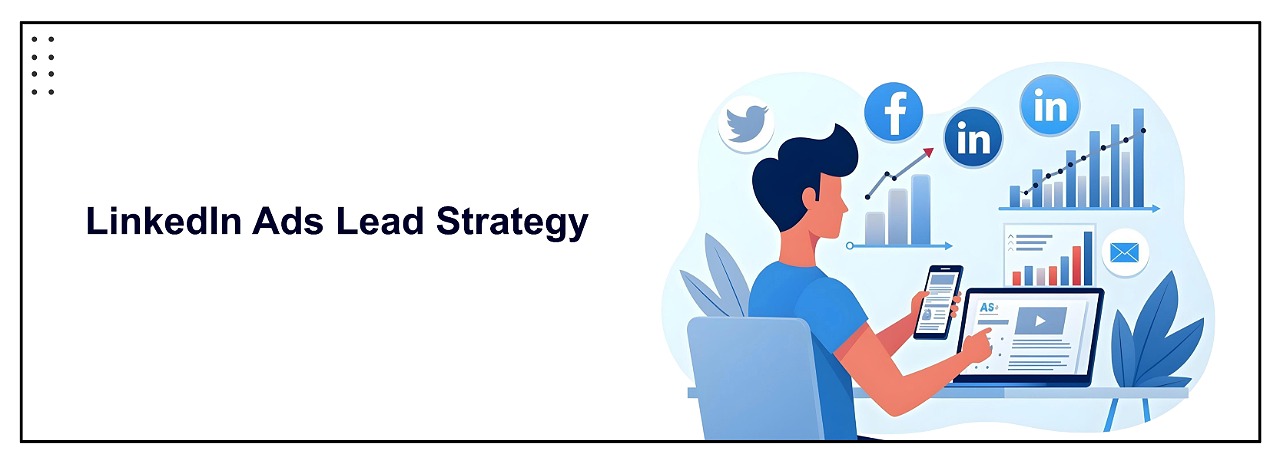
Lead generation through LinkedIn Ads has become one of the most reliable and result-oriented strategies for businesses aiming to attract high-quality prospects. Unlike traditional advertising platforms, LinkedIn is built specifically for professionals, making it an ideal platform for B2B marketing, professional services, and high-value offerings. Businesses today are not just looking for leads in quantity but leads in quality individuals who have decision-making authority, purchasing intent, and a genuine need for services. LinkedIn Ads help bridge this gap by offering highly targeted and data-driven marketing capabilities.
The importance of LinkedIn Ads has grown significantly due to the increasing shift towards digital networking and online decision-making. Professionals actively use LinkedIn to explore business solutions, gain industry insights, and connect with service providers. This behavior creates a strong opportunity for businesses to position themselves in front of the right audience at the right time. When implemented correctly, LinkedIn Ads not only generate leads but also enhance brand credibility, build trust, and support long-term business growth.
LinkedIn Advertising Ecosystem
LinkedIn Ads operate through a structured platform known as Campaign Manager, where businesses can create, manage, and optimize their advertising campaigns. The platform allows advertisers to define their objectives, select target audiences, design ad creatives, and allocate budgets efficiently. One of the strongest aspects of LinkedIn Ads is its professional data, which enables precise targeting based on job roles, industries, education, experience, and company attributes.
Unlike other platforms that rely heavily on user interests or browsing behavior, LinkedIn focuses on professional identity. This makes it highly effective for services such as legal advisory, compliance services, financial consulting, and corporate solutions. Businesses can directly target individuals like CEOs, founders, HR heads, finance managers, and compliance officers, ensuring that their marketing efforts reach the most relevant audience.
Types of LinkedIn Ads and Their Strategic Use
Sponsored Content
Sponsored content is one of the most widely used ad formats on LinkedIn. These ads appear directly in the user’s feed and are designed to look like regular posts, which increases engagement. Businesses can use this format to share valuable insights, promote services, or offer downloadable resources. The key to success with sponsored content is creating engaging and informative posts that provide value rather than direct selling.
Lead Generation Forms
Lead Generation Forms are specifically designed to capture user details seamlessly. When a user clicks on the ad, a pre-filled form appears with their LinkedIn profile information. This reduces the effort required from the user and significantly increases conversion rates. These forms are highly effective for collecting contact details for consultations, demos, or resource downloads.
Message Ads (InMail Ads)
Message Ads allow businesses to send personalized messages directly to a user’s LinkedIn inbox. This format is particularly useful for targeted outreach, event invitations, and exclusive offers. However, personalization is crucial, as generic messages may be ignored or marked as spam.
Dynamic Ads and Text Ads
Dynamic Ads use LinkedIn profile data to create personalized ad experiences, while Text Ads are simple and cost-effective options that appear on the sidebar. Both formats can be used to support broader lead generation strategies.
Building a Strong Lead Generation Strategy
Defining the Ideal Target Audience
The success of LinkedIn Ads begins with clearly defining your target audience. This involves identifying your ideal customer profile based on industry, company size, job role, seniority level, and location. For example, a compliance service provider may target startup founders, CFOs, and legal heads in specific industries.
Setting Clear Campaign Objectives
Choosing the right campaign objective is essential for achieving desired results. LinkedIn offers objectives such as brand awareness, website visits, engagement, and lead generation. Selecting the “Lead Generation” objective ensures that the campaign is optimized for collecting user information.
Creating High-Quality Ad Creatives
Ad creatives play a crucial role in capturing user attention. A successful ad includes a strong headline, clear value proposition, and visually appealing design. It should communicate the benefits of your service and encourage users to take action.
Using Lead Magnets Effectively
Lead magnets are incentives offered to users in exchange for their contact details. Examples include free consultations, e-books, guides, webinars, and checklists. A well-designed lead magnet not only increases conversions but also attracts high-intent prospects.
Aligning Landing Pages with Ads
If your campaign directs users to a website, the landing page must align with the ad’s message. It should be simple, user-friendly, and focused on a single objective. Clear call-to-action buttons and minimal distractions improve conversion rates.
Advanced Strategies for Better Results
Retargeting Campaigns
Retargeting allows businesses to reconnect with users who have previously interacted with their ads or website. This increases the chances of conversion as these users are already familiar with your brand.
Lookalike Audiences
LinkedIn enables advertisers to create lookalike audiences based on existing customer data. This helps in reaching new users who share similar characteristics with your current clients.
Content-Based Advertising
Instead of directly promoting services, businesses can use content marketing strategies such as sharing industry insights, compliance updates, or case studies. This builds trust and attracts organic leads.
Benefits of LinkedIn Ads for Lead Generation
LinkedIn Ads provide multiple advantages for businesses looking to generate quality leads and build a strong professional presence. Unlike other platforms, LinkedIn focuses on a business-oriented audience, which makes it highly effective for targeted marketing and long-term growth.
Access to a Professional Audience
LinkedIn allows businesses to reach professionals, decision-makers, and industry experts. This ensures that your ads are seen by people who have the authority to take action, making your campaigns more effective and result-driven.
High-Quality Leads
The platform is known for generating leads that are more relevant and valuable. Since users are professionals, the chances of attracting serious inquiries and potential clients are significantly higher compared to other advertising channels.
Advanced Targeting Capabilities
LinkedIn offers highly specific targeting options such as job title, industry, company size, and seniority level. This helps businesses focus their efforts on the right audience, reducing wasted ad spend and improving conversion rates.
Better Return on Investment (ROI)
Although LinkedIn Ads may have a higher cost per click, the quality of leads often leads to better conversions. This results in a stronger return on investment, especially for B2B and high-value service businesses.
Long-Term Brand Building
Consistent advertising on LinkedIn helps in building brand recognition and credibility. Regular visibility ensures that your business stays in the minds of your target audience.
Establishing Industry Authority
By sharing valuable content and insights through ads, businesses can position themselves as experts in their field. This builds trust and encourages potential clients to choose your services over competitors.
Challenges and Practical Solutions
Lead generation through LinkedIn Ads comes with certain challenges that businesses must address strategically to achieve better results. One of the most common issues is the higher cost of advertising compared to other platforms. This challenge can be effectively managed by refining audience targeting, focusing only on relevant decision-makers, and improving ad creatives to increase engagement and reduce wasted spend. Additionally, optimizing campaigns regularly helps in maintaining cost efficiency.
Another major challenge is low engagement, which often arises from generic or overly promotional content. This can be resolved by creating value-driven, informative, and visually appealing ads that resonate with the audience. Businesses also face difficulties in converting leads due to weak follow-up processes. To overcome this, it is important to implement a structured follow-up strategy that includes personalized communication, timely responses, and consistent nurturing. This approach significantly improves conversion rates and builds long-term client relationships.
Conclusion
Lead generation through LinkedIn Ads goes beyond basic advertising and plays a key role in building a structured growth strategy for businesses. By using precise audience targeting, businesses can reach decision-makers who are more likely to convert into clients. When this targeting is combined with high-quality, value-driven content, it helps in capturing attention, building trust, and encouraging meaningful engagement. Effective follow-up strategies further ensure that these leads are nurtured properly and converted into long-term business relationships.
Over time, consistent optimization of campaigns, including testing creatives, refining audience segments, and improving messaging, enhances performance and reduces costs. LinkedIn Ads not only generate leads but also strengthen brand visibility and credibility in the professional market. With a strong focus on delivering value rather than just selling, businesses can create a scalable and sustainable lead generation system that supports long-term success and continuous growth.
Frequently Asked Questions (FAQs)
Q1. What are LinkedIn Ads and how do they help in lead generation?
Ans. LinkedIn Ads are paid campaigns on LinkedIn that allow businesses to target professionals based on job roles, industries, and experience. They help generate high-quality leads by connecting with decision-makers who are more likely to convert into clients.
Q2. Which type of LinkedIn Ads is best for lead generation?
Ans. Lead Generation Forms are considered the most effective as they allow users to submit their details directly within LinkedIn. Sponsored content and message ads also perform well when combined with strong targeting and value-driven content strategies.
Q3. Why are LinkedIn Ads more expensive than other platforms?
Ans. LinkedIn Ads are costlier because they provide access to a highly professional and targeted audience. The quality of leads is generally higher, which justifies the cost, especially for B2B businesses and high-value services.
Q4. How can I target the right audience on LinkedIn Ads?
Ans. You can use filters such as job title, company size, industry, location, and seniority level. Defining a clear ideal customer profile helps ensure that your ads reach relevant prospects and improve conversion rates.
Q5. What is a lead magnet and why is it important?
Ans. A lead magnet is a valuable offer such as a free consultation, e-book, or webinar provided in exchange for contact details. It attracts potential clients and increases the chances of conversion by offering immediate value.
Q6. How much budget is required to run LinkedIn Ads?
Ans. The budget depends on your target audience, industry, and campaign goals. It is advisable to start with a moderate budget, test performance, and gradually scale campaigns based on results and cost per lead.
Q7. How long does it take to see results from LinkedIn Ads?
Ans. Initial results can be seen within a few days, but meaningful lead generation and optimization usually take a few weeks. Continuous monitoring and adjustments are essential for improving performance over time.
Q8. What are common mistakes in LinkedIn Ads lead generation?
Ans. Common mistakes include poor audience targeting, weak ad creatives, overly sales-focused messaging, and lack of follow-up. These issues can reduce engagement and lower conversion rates significantly.
Q9. How can I improve conversion rates on LinkedIn Ads?
Ans. You can improve conversions by using clear messaging, strong call-to-actions, relevant lead magnets, and optimized landing pages. Personalization and timely follow-ups also play a crucial role in converting leads into clients.
Q10. Are LinkedIn Ads suitable for small businesses?
Ans. Yes, LinkedIn Ads can be highly effective for small businesses, especially those offering niche or professional services. With proper targeting and strategy, even a limited budget can generate quality leads and business opportunities.