

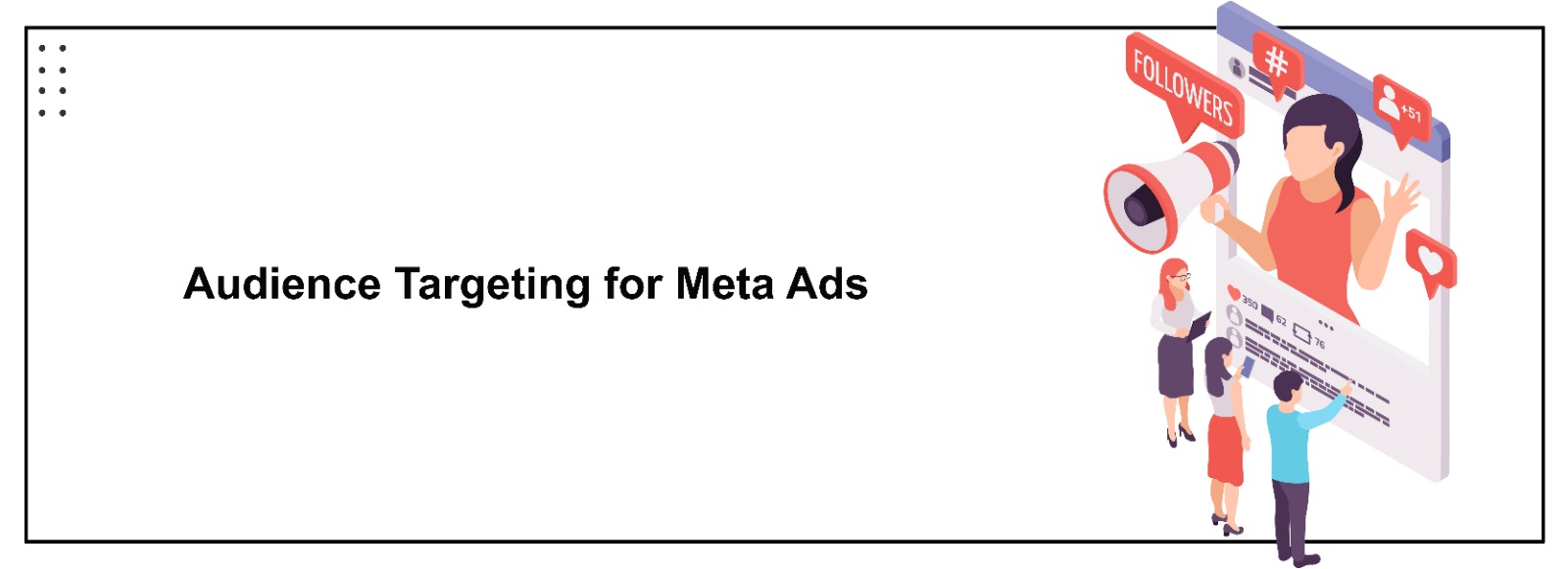
Audience targeting in Meta Ads refers to the strategic process of identifying, defining, and selecting a specific group of users who are most likely to see, engage with, and respond to your advertisements. Unlike traditional advertising methods that rely on mass outreach, Meta Ads use advanced data analytics to categorize users based on demographics, interests, online behavior, purchase intent, and engagement history. This enables businesses to deliver highly personalized advertisements to users who are already aligned with their offerings.
This level of precision transforms advertising from a generic broadcast approach into a highly focused communication strategy. When ads are shown to users who are genuinely interested, the likelihood of engagement increases significantly. As a result, businesses can achieve better click-through rates, improved conversions, and optimized ad spend. Audience targeting ensures that every impression has value, making campaigns more efficient and results-driven.
Importance of Audience Targeting in Meta Ads Campaigns
Audience targeting is the foundation of any successful Meta Ads campaign because it directly influences how effectively your message reaches potential customers. Even the most creative and visually appealing advertisements will fail to deliver results if they are shown to the wrong audience. By identifying and targeting users who are most likely to be interested in your product or service, businesses can significantly improve engagement and conversion outcomes.
In addition to improving campaign performance, effective audience targeting also enhances cost efficiency. It minimizes wasted impressions and ensures that advertising budgets are allocated toward high-potential users. This leads to better key performance indicators such as cost per click, cost per lead, and return on ad spend. Ultimately, strong audience targeting builds a meaningful connection between the brand and its audience, driving both short-term conversions and long-term customer loyalty.
Define Your Ideal Customer Profile Clearly
Defining your Ideal Customer Profile (ICP) is the first and most important step in building an effective audience targeting strategy. An ICP goes beyond basic demographic details and includes a deep understanding of your customer’s needs, challenges, preferences, and decision-making behavior. Businesses should analyze factors such as profession, income level, interests, online habits, and purchasing triggers to create a comprehensive customer profile.
When a business clearly understands its target audience, it becomes easier to craft messaging that resonates with users on a personal level. This improves engagement and increases the likelihood of conversions. A well-defined ICP also helps in avoiding generic campaigns that fail to connect with users. Instead, businesses can deliver tailored messages that address specific pain points, making their advertising efforts more impactful and effective.
Use Core Audience Targeting Strategically
Core Audience targeting allows advertisers to define their audience based on parameters such as demographics, interests, and behaviors. This feature is particularly useful for reaching new users who have not yet interacted with your brand. By leveraging these targeting options, businesses can expand their reach and introduce their products or services to potential customers.
However, strategic implementation is crucial for success. Targeting too broad an audience may reduce relevance, while overly narrow targeting can limit reach and hinder optimization. Businesses should aim to strike a balance by combining multiple targeting criteria, ensuring that the audience is both relevant and scalable. This approach helps improve campaign performance by delivering ads to users who are more likely to engage and convert.
Control Custom Audiences for Higher Conversions
Custom Audiences are a powerful targeting tool that focuses on users who have already interacted with your business. These may include website visitors, social media engagers, or existing customers. Since these users are already familiar with your brand, they are considered high-intent prospects and are more likely to convert.
Targeting Custom Audiences allows businesses to build stronger relationships with their audience and guide them through the conversion journey. These campaigns are particularly effective for retargeting, where the goal is to remind users of their previous interaction and encourage them to take action. By focusing on warm leads, businesses can achieve higher conversion rates and better return on investment.
Expand Reach with Lookalike Audiences
Lookalike Audiences enable businesses to reach new users who share similar characteristics with their existing customers. Meta analyzes data from your Custom Audience and identifies patterns related to interests, behavior, and demographics. Based on this analysis, it targets users who are likely to have similar preferences and purchasing behavior.
This approach is highly effective for scaling campaigns because it combines reach with relevance. Instead of targeting random users, businesses can focus on individuals who resemble their best customers. This increases the chances of generating high-quality leads and conversions. Lookalike Audiences are especially useful for businesses looking to expand their market presence while maintaining strong campaign performance.
Implement Retargeting for Better Results
Retargeting is a highly effective strategy that focuses on users who have already interacted with your brand but did not complete a desired action. These users may have visited your website, explored your services, or clicked on your ads. Retargeting campaigns aim to bring these users back and encourage them to convert.
Since these users are already familiar with your brand, they require less effort to persuade compared to new audiences. Retargeting allows businesses to deliver personalized messages, reminders, or offers that align with user intent. This significantly increases conversion rates and helps recover lost opportunities, making it an essential component of any Meta Ads strategy.
Segment Your Audience for Personalization
Audience segmentation involves dividing your audience into smaller groups based on specific characteristics such as behavior, interests, or stage in the customer journey. This enables businesses to create highly personalized ads tailored to each segment’s needs and preferences.
Personalization plays a crucial role in improving engagement and conversions. For example, new users may respond better to awareness-focused content, while returning users may be more interested in promotional offers. By delivering the right message to the right segment, businesses can enhance user experience and achieve better campaign outcomes.
Use Meta Pixel for Data-Driven Targeting
Meta Pixel is a powerful tracking tool that collects data about user interactions on your website. It tracks actions such as page visits, clicks, and purchases, providing valuable insights into user behavior. This data is essential for optimizing ad campaigns and improving targeting accuracy.
By analyzing Pixel data, Meta can identify patterns and target users who are more likely to convert. Over time, this leads to improved campaign performance and higher return on investment. Businesses that leverage Meta Pixel effectively can make data-driven decisions and continuously refine their targeting strategies.
Avoid Over-Targeting Your Audience
While precise targeting is important, over-targeting can negatively impact campaign performance. When the audience is too narrow, Meta’s algorithm may not have enough data to optimize effectively. This can limit reach and reduce overall effectiveness.
A balanced approach is essential to ensure optimal results. Businesses should allow some flexibility in targeting so that the algorithm can learn and improve over time. By maintaining a broader yet relevant audience, advertisers can achieve better reach and performance without compromising on targeting accuracy.
Continuously Test and Optimize Audience Settings
Audience targeting is not a one-time activity but an ongoing process that requires continuous testing and optimization. Businesses should regularly experiment with different audience segments, interests, and demographics to identify what works best.
By analyzing campaign performance data, advertisers can refine their targeting strategies and improve results over time. Continuous testing ensures that campaigns remain effective and adaptable to changing market trends and user behavior, ultimately leading to better performance and higher conversions.
Align Targeting with Campaign Objectives
Aligning audience targeting with campaign objectives is essential for achieving desired outcomes. Different goals require different targeting strategies. For example, awareness campaigns may benefit from broader audiences, while conversion campaigns require more precise targeting.
When targeting is aligned with objectives, campaigns become more efficient and focused. This ensures that ads are delivered to users who are most likely to take the desired action, whether it is engagement, lead generation, or sales. Proper alignment enhances overall campaign performance and maximizes return on investment.
Conclusion
Audience targeting is the backbone of successful Meta Ads campaigns, enabling businesses to reach users who are most likely to engage and convert. By using tools like Core Audiences, Custom Audiences, Lookalike Audiences, and Meta Pixel, advertisers can deliver personalized and relevant ads. This improves engagement, reduces wasted ad spend, and enhances overall campaign efficiency.
Moreover, continuous testing, audience segmentation, and retargeting help businesses refine their strategies and adapt to changing user behavior. A balanced approach between precision and reach ensures optimal results. In the long run, effective audience targeting not only drives conversions but also builds strong customer relationships and sustainable business growth.
Frequently Asked Questions (FAQs)
Q1. What is audience targeting in Meta Ads and how does it work?
Ans. Audience targeting in Meta Ads is the process of selecting a specific group of users based on demographics, interests, behaviors, and interactions. Meta uses user data and AI algorithms to show ads to people who are most likely to engage or convert, ensuring better ad relevance and improved campaign performance.
Q2. Why is audience targeting important for Meta Ads campaigns?
Ans. Audience targeting is important because it ensures your ads are shown to users who are genuinely interested in your product or service. This increases engagement, reduces wasted ad spend, and improves conversion rates. Without proper targeting, even the best ad creatives may fail to deliver results.
Q3. What are the different types of audiences in Meta Ads?
Ans. Meta Ads offer three main types of audiences: Core Audiences (based on demographics, interests, and behavior), Custom Audiences (users who have already interacted with your business), and Lookalike Audiences (new users similar to your existing customers). Using a combination of these helps improve campaign performance.
Q4. How do Custom Audiences improve ad performance?
Ans. Custom Audiences consist of users who are already familiar with your brand, such as website visitors or past customers. Since these users have already shown interest, they are more likely to convert. Targeting them helps increase conversion rates and ensures better utilization of your advertising budget.
Q5. What are Lookalike Audiences and when should they be used?
Ans. Lookalike Audiences are created by Meta using data from your existing customers to find new users with similar characteristics. They are best used when you want to scale your campaigns and reach a broader audience while maintaining high relevance and conversion potential.
Q6. How does retargeting help in Meta Ads campaigns?
Ans. Retargeting helps businesses reconnect with users who previously interacted with their brand but did not convert. By showing relevant ads again, businesses can remind users of their interest and encourage them to complete the desired action, significantly improving conversion rates.
Q7. What is the role of Meta Pixel in audience targeting?
Ans. Meta Pixel tracks user behavior on your website, such as page visits, clicks, and purchases. This data helps Meta understand user intent and optimize ad delivery. Over time, it improves targeting accuracy by identifying users who are more likely to convert.
Q8. Should I target a broad or narrow audience in Meta Ads?
Ans. A balanced approach works best. Targeting too broad may reduce relevance, while targeting too narrow may limit reach and performance. It is important to allow some flexibility so Meta’s algorithm can learn and optimize effectively while still maintaining audience relevance.
Q9. How often should I update my audience targeting strategy?
Ans. Audience targeting should be reviewed and updated regularly based on campaign performance. Continuous testing and optimization are essential to identify what works best. As user behavior and market trends change, updating your targeting strategy helps maintain strong results.
Q10. What are common mistakes in audience targeting?
Ans. Common mistakes include targeting irrelevant audiences, ignoring Custom and Lookalike Audiences, not using Meta Pixel, and failing to test different audience segments. Over-targeting and lack of optimization can also reduce campaign effectiveness and lead to poor results.