

What Are Meta Ads?
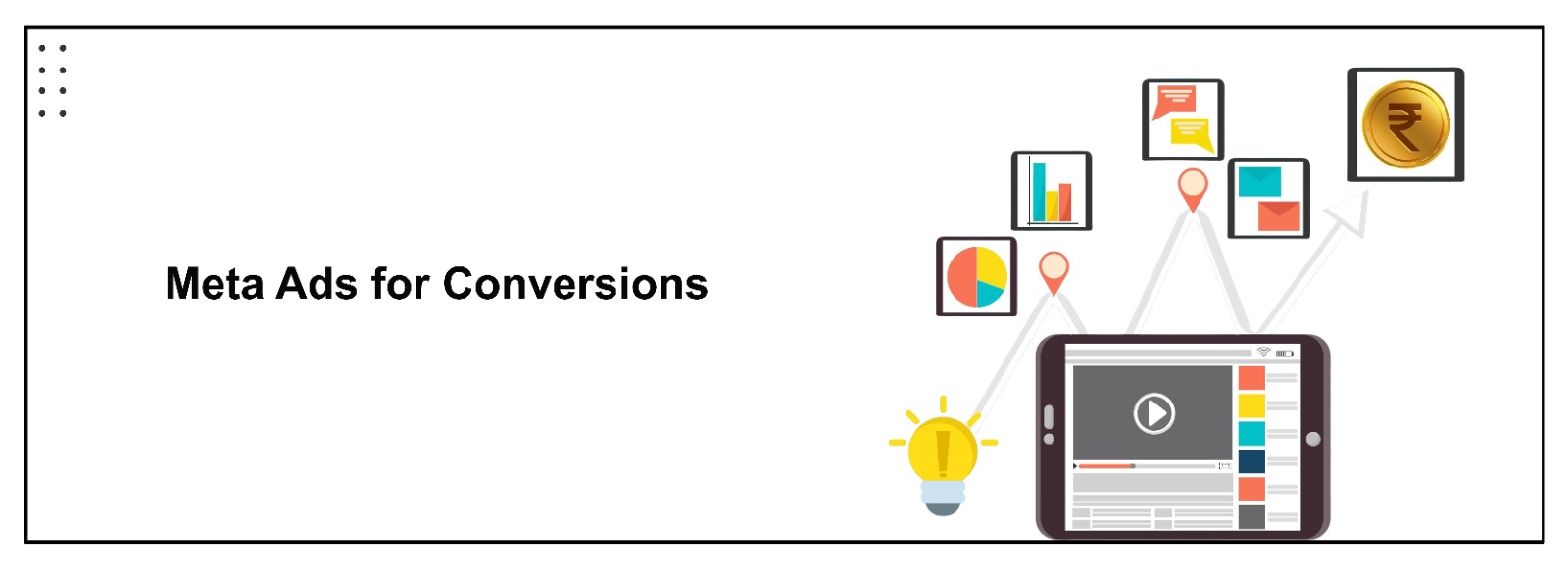
Meta Ads are a comprehensive digital advertising solution provided by Meta Platforms, designed to help businesses promote their products and services across multiple platforms such as Facebook, Instagram, Messenger, and the Audience Network. What makes Meta Ads unique is not just their wide reach but their ability to combine user data, behavioral insights, and artificial intelligence to deliver highly personalized advertisements.
Unlike traditional advertising methods where businesses broadcast a message to a general audience, Meta Ads operate on a precision-targeting model. This means that ads are shown only to users who are most likely to be interested in the product or service. The platform supports various ad formats, including image ads, video ads, carousel ads, reels, and story ads, each designed to capture attention and drive engagement. This versatility allows businesses to communicate their message in creative and impactful ways, ultimately increasing the likelihood of conversion.
What Are Targeted Conversions?
Targeted conversions refer to the successful completion of a desired action by users who have been carefully selected based on specific criteria such as interests, behavior, demographics, or intent. These actions may include making a purchase, filling out a lead form, signing up for a newsletter, or booking a consultation.
The concept of targeted conversions shifts the focus from quantity to quality. Instead of trying to reach as many people as possible, businesses aim to reach the right people those who are already inclined to engage with the brand. This approach significantly improves marketing efficiency because it reduces wasted ad spend and increases the chances of achieving meaningful results. In simple terms, targeted conversions ensure that every advertising effort is aligned with business objectives and delivers measurable outcomes.
How Meta Ads Drive Targeted Conversions
Advanced Audience Targeting
Advanced audience targeting is one of the strongest pillars of Meta Ads. The platform allows advertisers to define their audience with a high level of precision by using multiple layers of data. Businesses can target users based on demographic information such as age, gender, education, and location. Additionally, interest-based targeting enables advertisers to reach users who are interested in specific topics like entrepreneurship, fashion, or technology.
Behavioral targeting takes this a step further by analyzing how users interact online, including their purchasing habits, device usage, and browsing behavior. This multi-dimensional targeting ensures that ads are not shown randomly but are delivered to individuals who are most likely to engage and convert. As a result, businesses experience higher conversion rates and more efficient use of their advertising budget.
Custom Audiences (Warm Leads)
Custom Audiences allow businesses to reconnect with users who have already shown interest in their brand. These users may have visited the website, interacted with social media content, or previously purchased a product. Since these individuals are already familiar with the business, they are considered “warm leads.”
Targeting warm leads is highly effective because these users are further along in the decision-making process. They already have some level of trust and awareness, which makes them more likely to take action. Meta enables businesses to create Custom Audiences using data such as website traffic, customer lists, and engagement metrics. This approach not only improves conversion rates but also strengthens customer relationships by maintaining consistent engagement.
Lookalike Audiences (Scaling Strategy)
Lookalike Audiences are a powerful feature that helps businesses expand their reach without compromising on targeting accuracy. Meta analyzes the characteristics of an existing audience, such as customers or website visitors, and identifies new users who share similar traits.
This process allows businesses to reach potential customers who have not interacted with the brand before but are highly likely to be interested. Lookalike Audiences are particularly useful for scaling campaigns because they maintain a balance between reach and relevance. By targeting users who resemble their best customers, businesses can achieve growth while still maintaining strong conversion performance.
Meta Pixel and Data Tracking
Meta Pixel is a critical tool for tracking user behavior and improving ad performance. It is a piece of code that is installed on a website to monitor user actions such as page visits, product views, add-to-cart events, and purchases.
This data provides valuable insights into how users interact with the website and what actions they take before converting. Meta uses this information to optimize ad delivery by identifying patterns and targeting users with similar behavior. Over time, the Pixel becomes more effective as it gathers more data, allowing businesses to refine their targeting and achieve better results. It essentially acts as the backbone of conversion-driven advertising on Meta.
AI-Based Optimization
Meta Ads leverage advanced artificial intelligence and machine learning algorithms to optimize campaigns automatically. When a business selects a conversion objective, Meta’s system analyzes vast amounts of data to determine which users are most likely to take the desired action.
The algorithm continuously learns from user interactions and adjusts ad delivery in real time. This means that ads are shown more frequently to high-potential users while reducing exposure to less relevant audiences. AI-based optimization eliminates guesswork and ensures that campaigns are always aligned with performance goals. As a result, businesses can achieve higher conversion rates with minimal manual intervention.
Retargeting Strategy
Retargeting is one of the most effective strategies for driving conversions through Meta Ads. It focuses on users who have already interacted with the brand but did not complete a desired action. For example, a user who visited a website or added a product to the cart but did not make a purchase can be retargeted with personalized ads.
Retargeting works because it targets users who are already interested and familiar with the brand. These users require less persuasion compared to new audiences, making them more likely to convert. By reminding users of their initial interest and providing incentives such as discounts or limited-time offers, businesses can recover lost opportunities and increase overall conversion rates.
Funnel-Based Advertising Approach
A funnel-based advertising approach ensures that users are guided through different stages of the customer journey. In the awareness stage, businesses focus on attracting attention through engaging and informative content. In the consideration stage, they build trust by providing value, such as testimonials, reviews, or detailed product information.
Finally, in the conversion stage, businesses use strong calls-to-action and targeted offers to encourage users to take action. This structured approach ensures that users are not rushed into making decisions but are gradually nurtured until they are ready to convert. By aligning ads with each stage of the funnel, businesses can create a seamless and effective conversion journey.
A/B Testing for Better Results
A/B testing is a data-driven approach that allows businesses to compare different versions of their ads to determine which performs better. This involves testing variations in elements such as visuals, headlines, audience segments, and call-to-action buttons.
By analyzing the results, businesses can identify the most effective combinations and refine their campaigns accordingly. A/B testing not only improves performance but also provides valuable insights into customer preferences and behavior. Over time, this leads to more effective advertising strategies and higher conversion rates.
Engaging Ad Formats
Meta Ads offer a variety of ad formats designed to capture attention and drive engagement. Video ads are particularly effective because they combine visuals and storytelling to create a strong emotional connection. Carousel ads allow businesses to showcase multiple products or features in a single ad, providing more information to users.
Reels and story ads offer immersive experiences that are aligned with modern content consumption habits. These formats are highly engaging and encourage users to interact with the ad, which increases the likelihood of conversion. By choosing the right format, businesses can enhance user experience and improve campaign performance.
Budget Flexibility and ROI Control
One of the key advantages of Meta Ads is their flexibility in budget management. Businesses can start with a small investment and gradually increase their budget as they see positive results. Meta also offers automated bidding strategies that optimize spending and ensure maximum return on investment.
This flexibility makes Meta Ads accessible to businesses of all sizes, from startups to large enterprises. By carefully managing budgets and continuously optimizing campaigns, businesses can achieve high conversion rates without overspending.
Conclusion
Meta Ads have fundamentally transformed digital advertising by enabling businesses to focus on precision, efficiency, and measurable outcomes. Through advanced targeting, data-driven insights, AI optimization, and strategic retargeting, Meta Ads ensure that marketing efforts are directed toward users who are most likely to convert.
In an increasingly competitive market, businesses cannot rely on broad advertising strategies. Instead, they must adopt targeted approaches that deliver real results. Meta Ads provide the tools and technology needed to achieve this, making them an essential component of any successful digital marketing strategy. By Meta Ads effectively, businesses can not only increase conversions but also build stronger relationships with their audience and achieve sustainable growth.
Frequently Asked Questions (FAQs)
Q1. What are Meta Ads and how do they work?
Ans. Meta Ads are paid ads shown on Facebook, Instagram, and related platforms. They use user data like interests, behavior, and demographics to target relevant audiences. Their algorithm optimizes delivery to show ads to users most likely to engage and convert.
Q2. What is meant by targeted conversions in Meta Ads?
Ans. Targeted conversions refer to actions taken by users who are specifically selected based on their relevance to a business. These users are identified through data insights, ensuring that ads reach people who are more likely to complete desired actions.
Q3. How does Meta Ads targeting improve conversion rates?
Ans. Meta Ads improve conversion rates by focusing on users who match specific criteria such as interests, behavior, and demographics. This precise targeting ensures ads reach relevant audiences, reducing waste and increasing the chances of users taking meaningful actions.
Q4. What is the role of Meta Pixel in driving conversions?
Ans. Meta Pixel tracks user actions on a website, such as visits and purchases. This data helps Meta understand user behavior and optimize ad delivery. Over time, it improves targeting accuracy, ensuring ads reach users who are more likely to convert.
Q5. What are Custom Audiences and why are they important?
Ans. Custom Audiences include users who have already interacted with your business, such as website visitors or existing customers. Since they are familiar with your brand, they are more likely to convert, making them highly valuable for targeted advertising campaigns.
Q6. What are Lookalike Audiences in Meta Ads?
Ans. Lookalike Audiences are new users identified by Meta who share similar traits with your existing customers. By targeting these users, businesses can expand their reach while maintaining relevance, increasing the chances of attracting high-quality leads and conversions.
Q7. How does retargeting help in increasing conversions?
Ans. Retargeting focuses on users who previously interacted with your brand but did not convert. By showing them relevant ads again, businesses remind them of their interest, increasing the likelihood of completing the desired action and improving overall conversion rates.
Q8. Are Meta Ads suitable for small businesses?
Ans. Yes, Meta Ads are ideal for small businesses because they offer flexible budgets and precise targeting options. Even with limited resources, businesses can reach the right audience, generate leads, and achieve meaningful results through well-optimized campaigns.
Q9. How long does it take to see results from Meta Ads?
Ans. Meta Ads can start showing results within a few days of launching a campaign. However, better performance is usually achieved over time as the system collects data and optimizes ad delivery based on user behavior and engagement patterns.
Q10. What are common mistakes to avoid in Meta Ads campaigns?
Ans. Common mistakes include poor targeting, weak creatives, ignoring Meta Pixel setup, and lack of testing. Businesses should also avoid running ads without strategy or optimization, as these factors can reduce effectiveness and lead to lower conversion rates.