

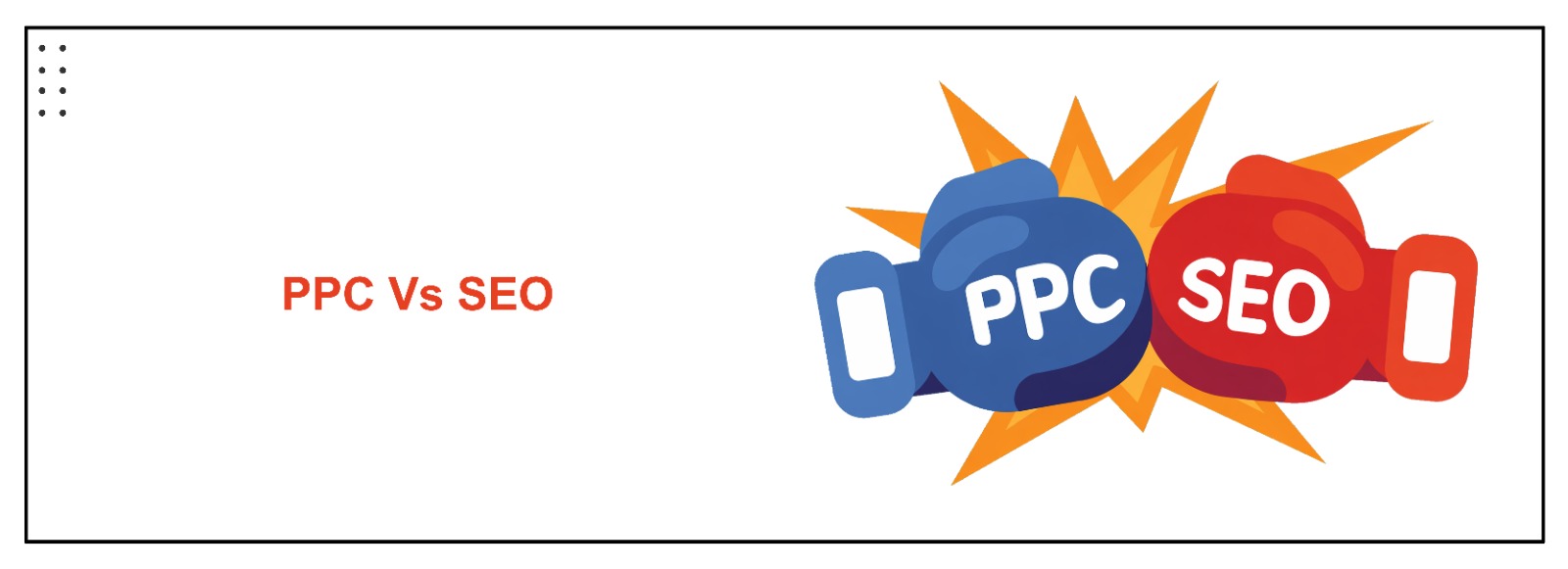
Online visibility has become very important for businesses that want to attract customers and expand their reach through the internet. Companies offering products, services, or operating as startups rely heavily on search engines like Google to connect with potential customers. Among the most effective digital marketing strategies used to improve search engine visibility are PPC (Pay-Per-Click) and SEO (Search Engine Optimization). Both approaches help businesses appear in search results and increase website traffic, but they work in different ways.
PPC is a paid advertising strategy where businesses display ads on search engines and pay only when users click on them. This method helps generate quick traffic and immediate visibility. In contrast, SEO focuses on improving a website’s organic ranking by optimizing content, website structure, and technical performance. While PPC provides faster results, SEO supports long-term growth and credibility. Understanding these two strategies helps businesses choose the most suitable approach for their marketing goals.
PPC (Pay-Per-Click)
Pay-Per-Click (PPC) is a digital advertising strategy in which businesses pay a certain amount every time someone clicks on their advertisement. These advertisements appear on search engine result pages (SERPs), social media platforms, and other online platforms.
The most common platform used for PPC advertising is Google Ads, where advertisers bid on specific keywords related to their products or services. When users search for those keywords, the search engine displays paid advertisements at the top or bottom of the search results page.
For example, if a business runs a PPC campaign for the keyword “GST Registration Services”, its advertisement may appear at the top of Google search results whenever users search for that phrase. If a user clicks on the advertisement, the business pays a small fee to the advertising platform.
How PPC Works
The PPC system operates through a bidding mechanism. Businesses select relevant keywords and decide how much they are willing to pay for each click. Search engines then evaluate several factors before displaying ads, such as:
- Bid amount
- Advertisement quality
- Relevance of keywords
- Landing page quality
The combination of these factors determines the Ad Rank, which decides the position of the advertisement in search results.
Major PPC Platforms
Several online platforms provide PPC advertising services, including:
- Google Ads
- Microsoft Bing Ads
- Facebook Ads
- Instagram Ads
- LinkedIn Ads
- YouTube Ads
Each platform allows advertisers to target audiences based on demographics, interests, geographic location, and online behavior.
SEO (Search Engine Optimization)
Search Engine Optimization (SEO) is the process of improving a website so that it appears higher in organic search engine results without paying for advertisements. The main goal of SEO is to make a website more relevant, useful, and trustworthy for users who are searching for information, products, or services online. When a website is properly optimized, search engines such as Google can easily understand its content and rank it higher in search results.
SEO helps businesses attract organic traffic, which means visitors come to the website naturally through search engines. When a website appears on the first page of Google for relevant keywords, it can bring a large number of potential customers or readers. Unlike PPC advertising, where traffic stops when the advertising budget ends, SEO can continue generating visitors for a long time if the website maintains good rankings.
Key Components of SEO
SEO includes several important elements that work together to improve a website’s ranking and visibility.
On-Page SEO
On-page SEO focuses on optimizing the content and structure of individual webpages so that search engines can understand them better. This includes using relevant keywords, creating high-quality and informative content, optimizing meta titles and meta descriptions, adding internal links between pages, and using proper headings such as H1, H2, and H3. These elements help search engines determine the topic and importance of the page.
Off-Page SEO
Off-page SEO focuses on improving the credibility and authority of a website through external factors. The most important aspect of off-page SEO is backlinks, which are links from other websites that direct users to your website. Search engines consider these links as signals of trust. If a website receives backlinks from reputable sources, it is more likely to rank higher in search results.
Technical SEO
Technical SEO ensures that search engines can easily crawl, index, and understand a website’s structure. It involves improving website speed, making the site mobile-friendly, securing it with HTTPS, creating XML sitemaps, and fixing broken links or technical errors. A website with strong technical SEO performs better in search rankings and provides a better user experience.
Major Differences Between PPC and SEO
Although both PPC and SEO aim to improve online visibility, they differ significantly in terms of strategy and results.
|
Factor |
PPC |
SEO |
|
Cost |
Paid advertising |
Organic traffic |
|
Results |
Immediate visibility |
Long-term ranking |
|
Traffic Source |
Paid traffic |
Organic traffic |
|
Sustainability |
Stops when ads stop |
Continuous traffic |
|
Trust Level |
Lower trust compared to organic results |
Higher credibility |
This comparison shows that PPC focuses on short-term traffic generation, while SEO focuses on long-term digital growth.
Advantages of PPC
PPC (Pay-Per-Click) advertising offers several benefits for businesses that want to increase their online visibility and attract customers quickly. It is a popular digital marketing strategy because it allows companies to promote their products or services directly on search engines and other online platforms.
• Immediate Visibility: One of the major advantages of PPC advertising is that it provides instant exposure. Once a campaign is launched, advertisements can appear on search engine results pages within a short time, allowing businesses to start receiving website visitors and potential leads quickly.
• Precise Audience Targeting: PPC platforms allow advertisers to reach a specific audience based on different factors such as location, age group, gender, interests, device type, and search behavior. This helps ensure that advertisements are shown to people who are most likely to be interested in the product or service.
• Easy Performance Tracking: PPC campaigns provide detailed data and analytics, including metrics like click-through rate (CTR), conversion rate, cost per click (CPC), and return on investment (ROI). These insights help businesses analyze the effectiveness of their campaigns and make improvements.
• Flexibility in Budget Management: Businesses can easily control their advertising spending by setting daily or monthly budgets, which makes PPC suitable for both small and large companies.
Advantages of SEO
SEO offers several important benefits for businesses that want to build a strong and sustainable online presence. Unlike paid advertising, SEO focuses on improving a website’s visibility in organic search results, which helps businesses attract visitors naturally over time.
• Long-Term Digital Growth: One of the biggest advantages of SEO is that it provides long-lasting results. Once a website achieves a good ranking on search engines, it can continue receiving consistent traffic without the need for constant advertising spending.
• Higher User Trust: Many internet users trust organic search results more than paid advertisements. Websites that appear naturally at the top of search results are often considered more reliable and credible by users.
• Cost Efficiency: Although SEO requires investment in content creation, keyword research, and website optimization, businesses do not have to pay for every visitor or click, making it a cost-effective strategy in the long run.
• Increased Brand Authority: When a website consistently appears in top search results, it builds strong brand recognition and credibility within its industry.
Challenges of PPC
Although PPC (Pay-Per-Click) advertising provides quick visibility and fast results, it also has certain limitations that businesses should consider before relying completely on this strategy. PPC campaigns require continuous spending, careful campaign management, and constant monitoring to ensure that the advertisements remain effective and cost-efficient.
Some of the common challenges of PPC include:
• Expensive for Competitive Keywords: In highly competitive industries such as finance, insurance, healthcare, and legal services, the cost per click can be very high. Businesses may have to spend a significant amount of money to compete for popular keywords and maintain top ad positions.
• Temporary Traffic: PPC traffic is directly linked to the advertising budget. Once the campaign budget ends or advertisements are paused, the website stops receiving traffic from those ads immediately.
• Ad Fatigue: When users repeatedly see the same advertisements, they may start ignoring them over time. This reduces the effectiveness of the campaign and may lead to lower click-through rates and engagement.
Because of these challenges, businesses often combine PPC with SEO strategies to maintain both immediate traffic and long-term online visibility.
Challenges of SEO
Although SEO is a powerful strategy for long-term digital growth, it also comes with certain challenges that businesses should understand before relying entirely on it. Search engine optimization requires continuous effort, regular content updates, and technical improvements to maintain good rankings on search engines.
Some of the common challenges of SEO include:
• Slow Results: One of the biggest challenges of SEO is that it does not produce instant results. It may take several months before a website begins to show noticeable improvements in search engine rankings and traffic.
• Algorithm Changes: Search engines like Google frequently update their ranking algorithms. These updates can affect website rankings, which means businesses must continuously update their SEO strategies.
• High Competition: Many businesses compete for the same popular keywords. Ranking for these competitive keywords requires high-quality content, strong backlinks, and regular optimization efforts to stay ahead in search engine results.
When Should Businesses Choose PPC?
PPC is particularly useful for businesses that require immediate visibility on search engines and quick lead generation. Unlike SEO, which takes time to show results, PPC advertisements can start bringing traffic to a website almost immediately after the campaign is launched. This makes PPC a practical option for companies that want to promote their products or services quickly and reach potential customers in a short period of time.
PPC is especially beneficial in situations such as:
• New business launches, where companies want to quickly introduce their brand to the market
• Product promotions, when businesses want to highlight new products or services
• Seasonal sales campaigns, such as festival offers or limited-time discounts
• Competitive keyword targeting, where ranking organically may take a long time
By using PPC campaigns, businesses can quickly reach their target audience, increase website traffic, generate leads, and improve brand awareness while competing effectively in the digital marketplace.
When Should Businesses Choose SEO?
SEO is more suitable for businesses that want to build a strong and long-term digital presence on search engines. Unlike paid advertisements, SEO focuses on improving the website’s organic ranking so that it can attract visitors naturally over time. Businesses that aim for sustainable growth, consistent website traffic, and stronger brand credibility often invest in SEO strategies.
SEO works particularly well for certain types of businesses and platforms, such as:
• Content-based websites that regularly publish informative articles and guides
• Professional service providers like legal, financial, or consulting firms that want to attract clients through search engines
• Blogging platforms that rely on organic traffic for audience growth
• Educational websites that share learning resources and informational content
Businesses that focus on long-term brand development and continuous online visibility usually prioritize SEO because it helps build authority, trust, and stable traffic without relying only on paid advertisements.
Combining PPC and SEO for Maximum Results
Instead of choosing between PPC and SEO, many successful businesses prefer to use both strategies together as part of their digital marketing plan. PPC helps businesses generate quick traffic and immediate visibility on search engines, while SEO focuses on building strong organic rankings over a longer period of time. When both methods are used together, businesses can benefit from both short-term results and long-term growth.
Using PPC and SEO together provides several advantages to businesses, such as:
• Immediate website traffic through PPC advertisements
• Long-term organic visibility through SEO optimization
• Higher presence in search engine results pages
For example, a business may run PPC campaigns for highly competitive keywords to attract immediate visitors, while at the same time improving its website content and technical structure through SEO to achieve sustainable organic rankings in the future.
Conclusion
Both PPC and SEO are important strategies in digital marketing and help businesses improve their online presence. PPC helps companies get quick visibility on search engines and generate immediate website traffic through paid advertisements. It is useful for businesses that want fast results, promote new products, or run short-term marketing campaigns. On the other hand, SEO focuses on improving organic search rankings, which helps businesses attract consistent visitors over time without paying for every click.
The choice between PPC and SEO depends on a company’s marketing goals, budget, and long-term strategy. Businesses looking for quick leads may prefer PPC, while those aiming for sustainable growth often invest in SEO. However, the most effective approach is usually to combine both PPC and SEO, allowing businesses to gain immediate visibility while also building long-term credibility and strong online authority.
Frequently Asked Questions (FAQs)
Q1. What is the main difference between PPC and SEO?
Ans. The main difference between PPC and SEO is that PPC is a paid advertising method, while SEO focuses on organic search rankings. In PPC, businesses pay for each click on their advertisement, whereas SEO improves website visibility naturally through optimization and content strategies.
Q2. Which is better for immediate results: PPC or SEO?
Ans. PPC is better for immediate results because advertisements can start appearing on search engines within a few hours. SEO usually takes several weeks or months to show significant improvements in rankings.
Q3. Is SEO cheaper than PPC?
Ans. In the long term, SEO is generally more cost-effective because businesses do not have to pay for every click. However, SEO requires investment in content creation, website optimization, and backlink building.
Q4. Can PPC and SEO be used together?
Ans. Yes, many businesses use PPC and SEO together as part of a balanced digital marketing strategy. PPC provides immediate traffic, while SEO builds long-term organic visibility and brand credibility.
Q5. Which strategy is better for small businesses?
Ans. For small businesses with limited budgets, SEO is often a better long-term strategy. However, PPC can be useful for short-term campaigns, product launches, or promotional offers.
Q6. How long does SEO take to show results?
Ans. SEO typically takes 3 to 6 months to start showing noticeable improvements in search engine rankings, depending on the level of competition and the quality of optimization.
Q7. Does PPC improve SEO rankings?
Ans. PPC does not directly improve SEO rankings. However, PPC campaigns can increase brand visibility, website traffic, and user engagement, which may indirectly support SEO performance.
Q8. Which industries benefit most from PPC advertising?
Ans. Industries that benefit greatly from PPC include:
E-commerce businesses
Financial services
Legal services
Real estate
Healthcare services
These industries often use PPC to quickly generate leads and sales.
Q9. What are the risks of relying only on PPC?
Ans. If a business relies only on PPC, traffic will stop immediately once the advertising budget ends. Therefore, combining PPC with SEO helps ensure continuous traffic and long-term growth.
Q10. Which strategy is best for long-term business growth?
Ans. For long-term digital growth, SEO is generally more effective because it builds sustainable organic traffic, brand authority, and higher trust among users.